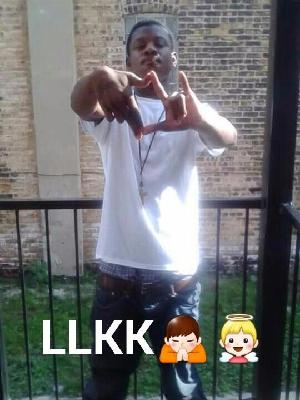
On August 18, 2017, Levell M. Moore, aged 24, was fatally shot in Chicago, Illinois. Levell's homicide occurred during a particularly violent year for the city, where gun-related violence persisted as a major concern. The incident took place in a neighborhood that had experienced ongoing challenges related to crime and safety. Levell's death was part of a pattern of violence that highlighted both the personal toll on victims and families, and the broader challenges faced by Chicago as it sought
to reduce violent crime across its communities.
Chicago's homicide data for 2017 reflected a concerning trend in violent incidents, with over 650 homicides recorded throughout the year. Levell’s case was one among many that underscored the systemic issues contributing to violence in the city, including the presence of gang activity, socioeconomic disparities, and a lack of effective community support structures. The West Side and South Side areas, where a large number of these incidents occurred, were among the most impacted, with gun violence disproportionately affecting young men of color.
The city authorities had been trying to address these challenges through a combination of increased law enforcement and community intervention strategies, but the homicide rate remained high. Levell's death, like many others, illustrated the critical need for coordinated efforts to address not only the immediate causes of violence but also the underlying conditions that foster such incidents.