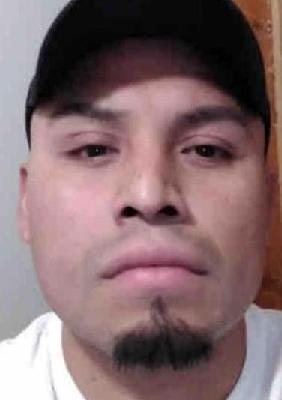
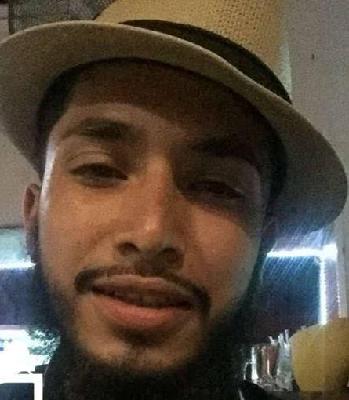
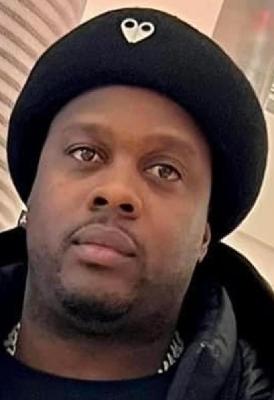
Joel Wade, a 20-year-old African American male from Chicago, IL, tragically lost his life on August 18, 2014. The circumstances surrounding his death were deeply troubling and sparked significant attention from both the community and law enforcement. Joel Wade was found with multiple gunshot wounds in a neighborhood known for its high crime rates. The initial investigation suggested that the shooting was a targeted attack, possibly linked to gang-related activities, although Joel Wade himself
was not known to be involved in any gang.
In the aftermath of Joel Wade's death, the Chicago Police Department launched an extensive investigation to identify and apprehend the perpetrators. Witnesses reported seeing a group of individuals fleeing the scene shortly after the gunshots were heard. Despite these leads, the investigation faced numerous challenges, including a lack of cooperation from potential witnesses who feared retaliation. Over time, the case grew cold, and no immediate arrests were made.
However, the persistence of law enforcement eventually led to a breakthrough. In 2016, two years after the murder, new evidence emerged linking a suspect to the crime. The suspect, a 22-year-old male with a history of violent offenses, was arrested and charged with the murder of Joel Wade. The arrest brought a sense of relief to Joel Wade's family, who had been tirelessly advocating for justice.
The legal proceedings that followed were complex and drawn out. The defense argued that the evidence was circumstantial and that the suspect had an alibi. Nonetheless, the prosecution presented a compelling case, including forensic evidence and testimonies from individuals who had come forward with crucial information. In 2018, the suspect was found guilty of first-degree murder and sentenced to life in prison without the possibility of parole.
Joel Wade's death and the subsequent legal battle highlighted the broader issues of gun violence and community safety in Chicago. His family, along with local activists, continued to push for reforms and greater support for victims of violence. Joel Wade's story remains a poignant reminder of the ongoing struggle to address and prevent violent crime in urban areas.