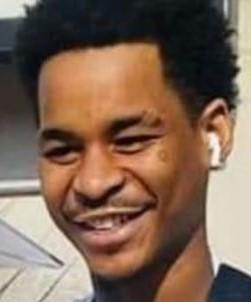
Rogelio Margil, a 21-year-old Hispanic male, tragically lost his life on November 8, 2014, in Chicago, IL. The incident occurred in the Humboldt Park neighborhood, specifically in the 1600 block of North Tripp Avenue. Margil was with a group of individuals when they encountered a rival gang member. An argument ensued, and the gang member pulled out a gun, shooting Margil in the head around 7:30 p.m. on that fateful Saturday evening. Margil was immediately rushed to Mount Sinai Hospital, where he succumbed to his injuries the following day at 3:22 p.m. The Cook County medical examiner's office confirmed that Margil's death was a result of a gunshot wound to the head, and it was ruled a homicide.
The investigation into Rogelio Margil's death revealed that the shooting was gang-related. The authorities identified the shooter as an alleged gang member, but specific details about the suspect's identity were not disclosed in the available sources. The police and the Cook County medical examiner's office worked together to piece together the events leading up to the shooting. Despite the efforts of law enforcement, there were no immediate arrests made in connection with Margil's murder. The case remained under investigation as authorities sought to gather more evidence and identify potential suspects.
In the aftermath of the shooting, the Humboldt Park community was left reeling from the loss of another young life to gang violence. The incident highlighted the ongoing issue of gang-related violence in Chicago and the devastating impact it has on families and communities. Margil's death was a stark reminder of the dangers faced by young individuals living in areas plagued by gang activity. The community called for increased efforts to address the root causes of gang violence and to provide support and resources for at-risk youth.
As the investigation continued, law enforcement agencies faced challenges in obtaining cooperation from witnesses and community members. The fear of retaliation often hindered the progress of the investigation, making it difficult to bring the perpetrator to justice. Despite these obstacles, the authorities remained committed to solving the case and ensuring that those responsible for Rogelio Margil's death were held accountable. The case of Rogelio Margil serves as a poignant example of the ongoing struggle to combat gang violence and the need for comprehensive strategies to create safer communities.