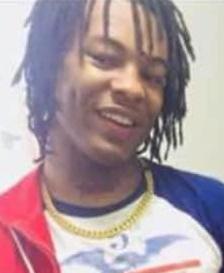
Reginald L. Turner, a 26-year-old African American male, tragically lost his life on June 24, 2016, in Chicago, IL. The circumstances surrounding his death have been the subject of extensive investigation and legal proceedings. Turner was found dead in his residence, and initial reports indicated that he had suffered multiple gunshot wounds. The Chicago Police Department launched an immediate investigation into the incident, treating it as a homicide.
As the investigation unfolded,
several suspects were identified, and multiple arrests were made. Among those arrested was Arthur Grady, who was charged with first-degree murder in connection with Turner's death. Grady's involvement was established through a combination of eyewitness testimonies and forensic evidence. During the trial, it was revealed that Grady and Turner had a prior altercation, which escalated into a violent confrontation on the night of the murder. Grady was ultimately convicted and sentenced to 24 years in prison.
In addition to Grady, other individuals were implicated in the case. Aaron Bronson, a known associate of Grady, testified against him in court. Bronson's testimony provided crucial details about the events leading up to Turner's death, including a planned robbery that went awry. According to Bronson, Grady had intended to rob Turner after seeing him win a substantial amount of money at a casino. The robbery attempt turned fatal when Turner resisted, leading Grady to shoot him multiple times.
The legal proceedings surrounding Turner's death were complex and involved multiple appeals. Grady's defense team argued that the evidence against him was circumstantial and that there were inconsistencies in the testimonies of key witnesses. Despite these arguments, the court upheld Grady's conviction, citing the overwhelming evidence presented by the prosecution.
Turner's death had a profound impact on his family and the community. His family pursued civil litigation against Grady and other parties they believed were responsible for his death. The civil case sought damages for wrongful death and emotional distress. The court awarded the family a substantial settlement, recognizing the significant loss they had suffered.
The case of Reginald L. Turner remains a poignant reminder of the violence that plagues many communities and the enduring quest for justice by those affected. Turner's family continues to honor his memory and advocate for measures to prevent similar tragedies in the future.