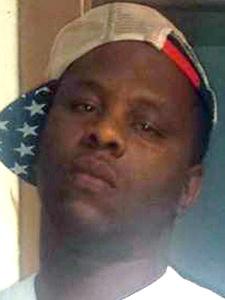
On June 4, 2016, William T. Palmer, aged 32, was fatally shot in Chicago, Illinois. This tragedy occurred during a period of heightened violence in the city, which experienced a significant spike in homicides that year. The homicide rate in Chicago surged in 2016, with more than 750 people killed, marking one of the deadliest years in recent memory. The surge was attributed to various factors, including a reduction in police street stops and increasing gang-related violence, particularly in impoverished neighborhoods on the South and West Sides of the city.
William Palmer’s death was part of a larger narrative of gun violence that affected primarily African-American and Hispanic communities, as many homicides were concentrated in these areas. The violence in these neighborhoods also exacerbated social issues such as unemployment, poverty, and lack of access to adequate education and healthcare resources.
In Chicago, a substantial portion of homicides involved firearms, with the majority of victims being male, African American, and under 40 years old, as was the case with Palmer. These homicides often left lasting scars on the communities involved, both emotionally and economically. Addressing the root causes of the violence, including access to illegal firearms and systemic inequality, became a key challenge for the city and law enforcement officials in the years that followed.