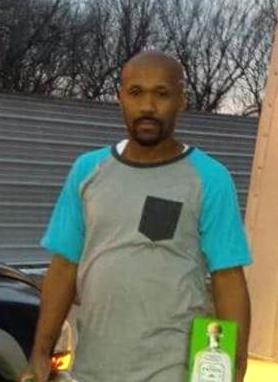
Douglas Bowman, a 32-year-old African American male, tragically lost his life on November 1, 2016, in Chicago, IL. The circumstances surrounding his death were initially unclear, prompting a thorough investigation by local authorities. Bowman was found with multiple gunshot wounds in a residential area, leading investigators to suspect foul play. His death was ruled a homicide, and the case quickly garnered attention due to the violent nature of the crime and the young age of the victim.
In the weeks following Bowman's death, the Chicago Police Department launched an extensive investigation to identify and apprehend the perpetrator(s). Witnesses reported hearing gunshots and seeing a vehicle speeding away from the scene, which provided crucial leads for the detectives. The investigation revealed that Bowman had no known enemies and was not involved in any criminal activities, making the motive for his murder even more perplexing.
As the investigation progressed, several suspects were brought in for questioning. Among them was a 28-year-old male, also African American, who had a prior criminal record and was known to frequent the area where Bowman was killed. Despite the initial suspicion, there was insufficient evidence to charge him, and he was released. The case remained open, with detectives continuing to follow up on new leads and tips from the community.
In 2018, two years after Bowman's death, a breakthrough came when forensic evidence linked a firearm recovered from a separate crime scene to the bullets that killed Bowman. This discovery led to the arrest of a 30-year-old male suspect, who was subsequently charged with first-degree murder. The suspect, who was also African American, had a history of violent offenses and was believed to be involved in gang-related activities. The trial began in early 2019, with the prosecution presenting a strong case based on the forensic evidence and witness testimonies.
The trial concluded with the suspect being found guilty of first-degree murder and sentenced to life in prison without the possibility of parole. Bowman's family expressed relief and gratitude for the justice served, though the loss of their loved one remained a profound and painful void. The case highlighted the ongoing issues of gun violence and gang activity in Chicago, prompting calls for increased community support and intervention programs to prevent such tragedies in the future.