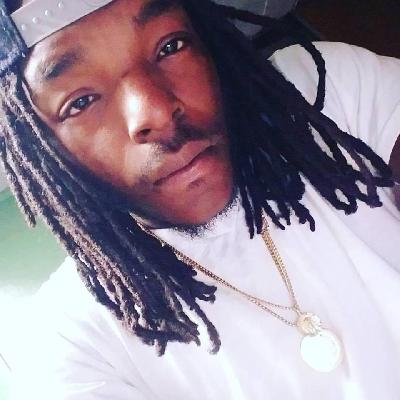
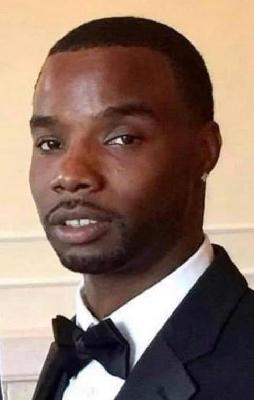
Micah Brown, a 23-year-old African American male from Chicago, IL, tragically lost his life on September 15, 2017. The circumstances surrounding his death have been the subject of extensive investigation and media coverage. Micah was found with multiple gunshot wounds in a neighborhood known for its high crime rates. The initial reports indicated that he was walking home from a friend's house when he was ambushed by an unknown assailant.
Despite the efforts of emergency responders, Micah succumbed to his injuries at the scene.
The investigation into Micah Brown's death revealed that he was not involved in any gang activities, which initially puzzled the authorities. However, further probing uncovered that Micah might have been an unintended target in a gang-related shooting. Witnesses reported seeing a vehicle speeding away from the scene, but no concrete leads were established immediately. The Chicago Police Department launched a full-scale investigation, appealing to the public for any information that could lead to the arrest of the perpetrator.
In the months following Micah's death, several suspects were brought in for questioning, but none were charged due to lack of evidence. The case took a significant turn when a witness came forward, claiming to have seen a known gang member fleeing the scene on the night of the murder. This led to the arrest of a 25-year-old male suspect, who was later identified as a member of a local gang. The suspect, whose identity was withheld pending further investigation, was charged with first-degree murder. The trial garnered significant media attention, highlighting the ongoing issue of gang violence in Chicago.
Throughout the legal proceedings, Micah Brown's family remained vocal, advocating for justice and calling for an end to the violence that plagued their community. The trial concluded with the suspect being found guilty of first-degree murder and sentenced to life in prison without the possibility of parole. This verdict brought a sense of closure to Micah's family, though the pain of their loss remained.
Micah Brown's death and the subsequent legal battle underscored the broader issues of gun violence and gang activity in Chicago. His story became a rallying point for community activists and local leaders, who called for increased efforts to combat crime and provide better opportunities for the youth in the city. Micah's legacy lives on through various community initiatives aimed at reducing violence and supporting families affected by similar tragedies.