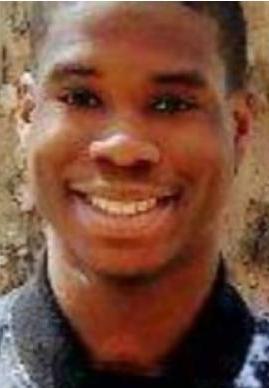
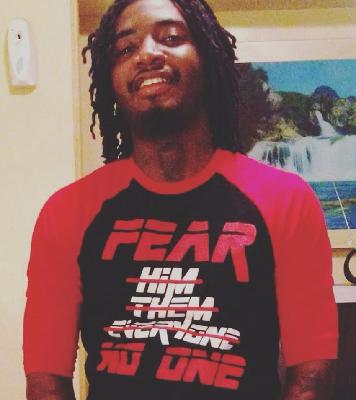
Darrion Thompson, an 18-year-old African American male from Chicago, IL, tragically lost his life on July 27, 2019. The circumstances surrounding his death were deeply distressing, as he was a victim of gun violence, a pervasive issue in Chicago. On that fateful day, Darrion was shot multiple times in a drive-by shooting while he was standing outside with friends. The incident occurred in the Englewood neighborhood, an area known for its high crime rates and frequent gang-related activities.
Despite immediate medical attention, Darrion succumbed to his injuries at the scene.
The investigation into Darrion Thompson's murder revealed that the shooting was likely gang-related, although Darrion himself was not known to be involved in any gang activities. The Chicago Police Department launched an extensive investigation, interviewing witnesses and reviewing surveillance footage from the area. However, the case faced significant challenges due to the lack of cooperation from potential witnesses, a common issue in gang-related crimes where fear of retaliation often prevents individuals from coming forward.
In the months following Darrion's death, the police identified several suspects believed to be involved in the shooting. Among them was a 24-year-old African American male, who was later arrested and charged with first-degree murder. The suspect, whose name was not disclosed in the initial reports, had a prior criminal record and was known to be affiliated with a local gang. The arrest brought a glimmer of hope to Darrion's family, who had been tirelessly advocating for justice.
The legal proceedings in Darrion Thompson's case were complex and drawn out. The suspect's defense team argued that there was insufficient evidence to prove his involvement beyond a reasonable doubt. Despite these challenges, the prosecution presented a strong case, including eyewitness testimonies and forensic evidence linking the suspect to the crime scene. The trial garnered significant media attention, highlighting the broader issues of gun violence and gang activity in Chicago.
Ultimately, the suspect was found guilty of first-degree murder and sentenced to life in prison without the possibility of parole. The verdict was a bittersweet moment for Darrion's family, who expressed relief that justice had been served but continued to mourn the loss of their beloved son. Darrion's death underscored the urgent need for comprehensive measures to address gun violence and support communities affected by such tragedies.
The case of Darrion Thompson remains a poignant reminder of the devastating impact of gun violence on young lives and the importance of community cooperation in solving such crimes. His family continues to honor his memory by advocating for safer neighborhoods and supporting initiatives aimed at reducing violence in Chicago.