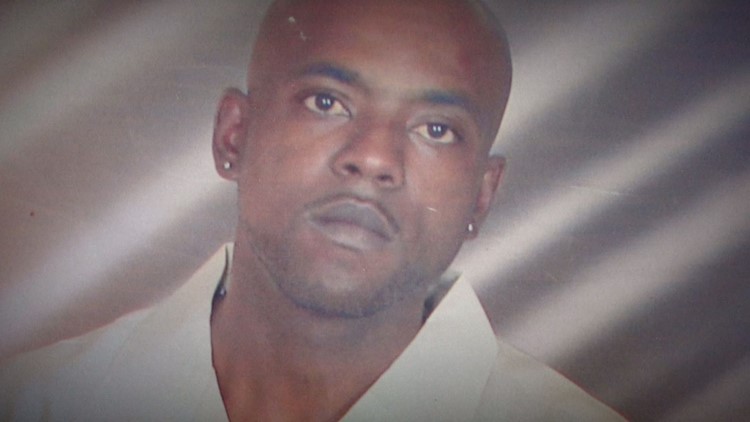
Tommy Williams, 31, a Black man from Atlanta, Georgia, died on February 27, 1987, in a killing that later unfolded in court as a planned execution rather than a sudden act of violence. The case that began with his death in Atlanta eventually led prosecutors to describe a contract murder centered on old grudges, fear, and retaliation. Court records say Troy Crumbley, a known drug dealer, believed Williams had been involved in shooting him in the mouth back in 1984.
Instead of letting that suspicion fade, Crumbley brought Williams into his orbit, hiring him at his service station-convenience store while trying to gather information about the people he believed were tied to that earlier attack. What seemed on the surface like employment was, according to the state’s evidence, part of something darker taking shape behind the scenes.
The murder itself was carried out in a laundromat. According to the evidence summarized by the Supreme Court of Georgia, Crumbley hired James A. Carr and Jimmie Lee Ruth to kill Williams, and the shooting was carried out there by Carr in the presence of Thadeaus Dozier, who later became the state’s key witness. Carr initially denied knowing anything about the crime, then later admitted he had been present but denied being the gunman. That shift mattered, because investigators and prosecutors built their case around witness testimony, Carr’s changing account, and Crumbley’s own statement to police. The story that emerged was one of a man lured into a deadly trap, with the laundromat becoming the final setting in a revenge-fueled plot.
As the investigation widened, authorities focused on the men the indictment named: Troy Crumbley, James A. Carr, and Jimmie Lee Ruth. Crumbley confessed and, before Carr’s trial, pleaded guilty to his role in the murder. He received a life sentence. Carr went to trial on a malice murder charge, was convicted, and was also sentenced to life imprisonment. Ruth was tried alongside Carr but was acquitted. The appellate record shows that Carr challenged his conviction, arguing in part about testimony concerning the investigation and comments made during closing argument, but the Georgia Supreme Court upheld the verdict, finding the evidence sufficient to support his guilt beyond a reasonable doubt.
So in the end, the case did not remain a mystery without names or accountability. Investigators identified suspects, prosecutors framed the killing as a murder-for-hire, one conspirator admitted his part, one man was convicted at trial, and another walked free after acquittal. What remained at the center of all of it was Tommy Williams’s death in Atlanta on that February day in 1987, a killing that court records portray not as chaos, but as a deliberate act set in motion long before the trigger was pulled.