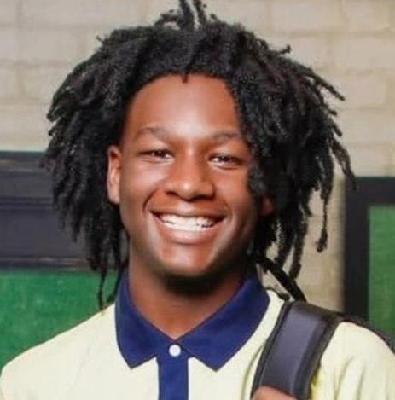
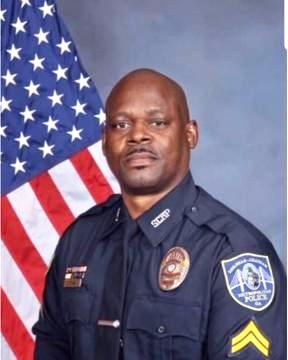
In the pre-dawn hours of August 19, 1989, in Savannah, Georgia, the life of 27-year-old Mark Allen MacPhail, a white male, was tragically cut short. A former U.S. Army Ranger and a dedicated officer with the Savannah Police Department for three years, MacPhail was working an off-duty security job at a Greyhound bus station, which was adjacent to a Burger King restaurant. He intervened in a dispute in the restaurant's parking lot where a homeless man named Larry Young was being assaulted. As he rushed to help, Officer MacPhail was shot. The assailant fired a second shot as he lay on the ground. MacPhail, who was a husband and a father to a young daughter and an infant son, succumbed to his injuries.
The investigation into Officer MacPhail's murder quickly led to a suspect named Troy Anthony Davis. On August 23, 1989, knowing he was a wanted man, Davis surrendered to the police. He was subsequently indicted by a Chatham County grand jury on November 15, 1989, for the murder of MacPhail. The prosecution's case against Davis was primarily built on eyewitness testimony. During his trial in August 1991, seven witnesses identified Davis as the individual who shot Officer MacPhail. Two additional witnesses testified that Davis had confessed to the murder to them. Ballistic evidence, though the murder weapon was never recovered, linked the bullets from the MacPhail crime scene to another shooting incident that Davis was also charged with.
On August 28, 1991, a jury found Troy Davis guilty of malice murder, obstruction of a law enforcement officer, and other related charges. Two days later, the jury recommended a death sentence. What followed was a protracted legal battle that spanned two decades, attracting international attention. Davis's defense team argued his innocence, highlighting that several of the initial eyewitnesses had recanted or altered their original testimonies, with some claiming they had been coerced by police. Despite numerous appeals, stays of execution, and a 2010 federal evidentiary hearing ordered by the U.S. Supreme Court to review the new evidence, Davis's conviction was repeatedly upheld. The courts, including the Georgia Supreme Court, consistently found the evidence presented at the original trial sufficient to support the jury's verdict. After all legal avenues were exhausted, Troy Davis was executed by lethal injection on September 21, 2011.