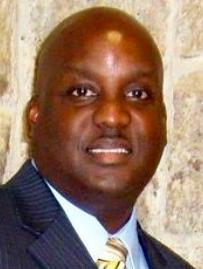
Liston Rue Chunn, a 44-year-old Black man from Douglasville, Georgia, died on July 16, 1990, in what began as an ordinary night at a Best Western motel and ended in terror. He was there with his fiancée, Regina Thomas, and her children, while in a neighboring room another couple was already being robbed. According to the court record, two men moved through the motel that night as a team, carrying out armed robberies room by room. One of them, Raymond Burgess, forced his way into Chunn’s room with a gold-plated revolver, while the children were sent into the bathroom and the adults were ordered to the floor. Chunn did not comply the way the gunman wanted. Thomas later testified that Burgess shot him after ordering him to remove his hand from his pants pocket. In the confusion, a soft drink cup spilled, a second man shouted for the gunman to get out, and the scene that had been a family’s temporary shelter became the place where Chunn was killed in front of the people closest to him.
The case did not remain a mystery for long. A motel repairman heard screaming and noticed a Volvo speeding away, and he wrote down the license plate. That detail gave investigators a direct trail to Burgess. When authorities searched his home, they found the gold-plated revolver that a firearms expert later matched to the bullet that killed Chunn. They also found stolen property from the motel robberies, including items tied to the other victims from that same night. Additional evidence piled up around him: fingerprints on a stolen credit card, testimony that he had handed his wife a diamond ring taken in the robberies, and identification evidence linking him back to the motel. Thomas could not identify the shooter, but her son picked Burgess out of a lineup. Police also obtained statements from Norris Young, the second man involved, and Young told investigators that Burgess had admitted shooting Chunn because he thought Chunn was reaching for something.
Online court records show that Burgess was not treated as a lone suspect. Norris Young was identified as his co-defendant, and the two were prosecuted for the chain of motel crimes that night. Burgess was convicted of malice murder, armed robbery, and kidnapping, and a jury sentenced him to death. The evidence at trial also showed that he had been paroled from a prior life sentence for murder only months before Chunn was killed, a fact that gave the case an even darker weight. Young was also convicted in connection with the motel attacks and received multiple life sentences along with additional prison time. Appeals followed for both men, but the convictions stood.
In the years after the verdicts, Chunn’s death remained tied in public memory to the so-called golden gun case because of the distinctive revolver used in the robberies and shooting. But beneath that notorious detail was the much more human truth of what happened: a family in a motel room, a sudden intrusion, a command shouted in fear, and a life cut short in seconds. The known suspects were arrested, charged, tried, and convicted, and the courts ultimately upheld those outcomes. Burgess later died on death row of natural causes in 2012 before the state could carry out his execution, while Young’s convictions and prison sentences remained in place.