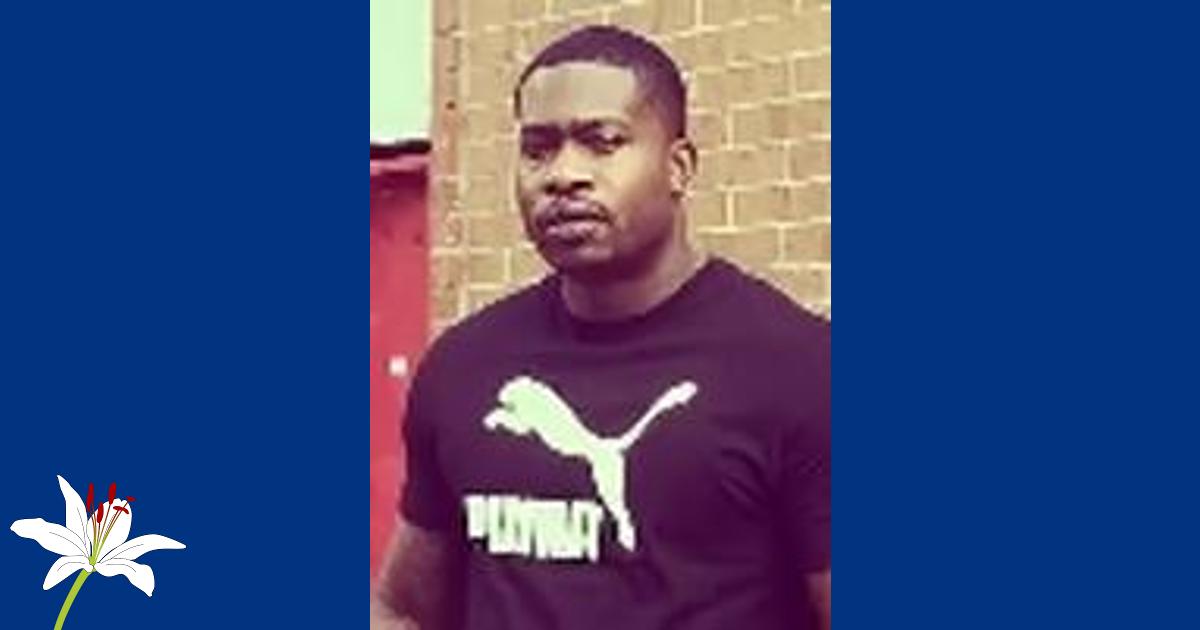
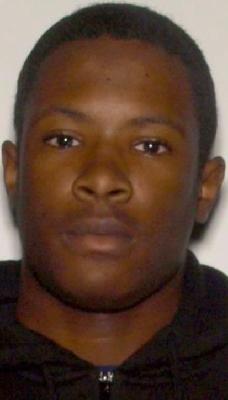
In the autumn of 1998, a business trip to Atlanta for a football game turned into a tragedy for 51-year-old Ronald Gutkowski. He, along with two other men from the trucking industry, Gerrold Shropshire, 50, and Phillip Ray Dover, 31, were found deceased in a room at the Atlanta Hilton and Towers. The discovery was made by a housekeeper on October 18, 1998. The three men were found lying side-by-side, each having been fatally shot in the back of the head with a.
45-caliber handgun.
The initial investigation into the execution-style killings pointed towards robbery as a motive, as the victims' wallets were missing. While early speculation considered other possibilities, these were ultimately dismissed. A significant lead came from hotel security footage, which captured a grainy image of a man with one of the victims in an elevator and later leaving the premises with a cooler that belonged to one of the deceased.
A breakthrough in the case occurred on October 31, 1998, when a man was arrested during a traffic stop near Memphis, Tennessee. The driver, who was stopped for speeding, appeared nervous and evasive to the sheriff's deputies. A search of his vehicle uncovered a. 45-caliber pistol and credit cards belonging to the victims. The man initially identified himself as Harry Lee Johnson, but was later correctly identified as Timothy Carl Dawson, a 37-year-old. The firearm was sent to the Georgia state crime laboratory to determine if it was the weapon used in the slayings.
Further investigation linked Dawson to another homicide. LaDarris Hawkins, 19, had been found shot to death at a Days Inn in the Atlanta suburb of College Park on October 15, just days before the triple homicide at the Hilton. In November 1998, a Fulton County grand jury indicted Dawson on 32 charges, including murder, armed robbery, and aggravated assault in connection with the deaths of Gutkowski, Shropshire, and Dover. Prosecutors announced their intention to seek the death penalty, stating that the motive for the killings was robbery and that the victims were killed to prevent identification. Dawson was also charged with the murder of Hawkins. He was ultimately convicted of the four murders and sentenced to life in prison without the possibility of parole after a trial where prosecutors presented extensive evidence, including DNA and the stolen items found in his possession.