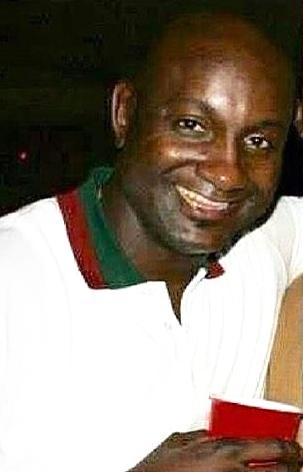
In the late afternoon of July 23, 2015, tragedy struck at the Azalea Park apartments in Sandy Springs, a suburb of Atlanta, Georgia. Ricardo Hernandez-Ovalle, a 22-year-old male from the nearby city of Alpharetta, was found on a sidewalk within the complex, having sustained at least one fatal gunshot wound. Emergency services were called to the scene, but Hernandez-Ovalle was pronounced dead upon their arrival.
The Sandy Springs Police Department immediately launched an investigation into the shooting.
In the days that followed, detectives worked to piece together the events that led to Hernandez-Ovalle's death. Their investigation led them to identify a person of interest, and a composite sketch of the suspect was released to the public in the hopes of generating leads. The suspect, however, managed to elude capture for several months. The trail led investigators across state lines, and in March 2016, a significant break in the case occurred. Juan Rabadan Chavez, also 22 years old, was apprehended by U.S. Border Patrol agents near the New Mexico-Arizona border as he and three others attempted to cross into the United States from Mexico. Chavez was arrested on an outstanding warrant for the murder of Ricardo Hernandez-Ovalle.
Following his apprehension, Juan Rabadan Chavez was extradited to Georgia to face legal proceedings. On March 29, 2016, a Fulton County grand jury indicted Chavez on multiple charges, including malice murder, participation in criminal street gang activity, and several counts of felony murder and firearm possession. The case went to trial in August 2017, where a jury found Chavez guilty on all counts. The evidence presented during the trial suggested that the shooting was connected to criminal street gang activity.
Chavez later appealed his convictions, and on January 13, 2020, the Supreme Court of Georgia issued a ruling. The court upheld the most serious convictions, including malice murder and participation in criminal street gang activity. However, the conviction for possession of a firearm by a first-offender probationer was reversed due to insufficient evidence presented by the state.