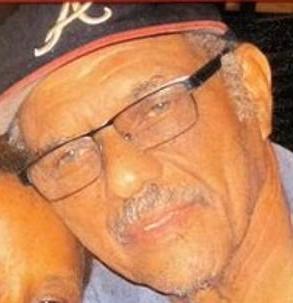
In the spring of 2016, the city of Atlanta was shaken by the loss of one of its cherished community leaders. Barney Simms, a 70-year-old African-American male, was found deceased in the front yard of his southwest Atlanta home on Connally Drive on the afternoon of Saturday, April 9, 2016. A respected figure who had retired from a distinguished career at the Atlanta Housing Authority, Simms was known for his unwavering dedication to his neighborhood, choosing to remain in his long-time home
despite the area's rising crime rates. His death, the result of two gunshot wounds to the back, sent ripples of grief and shock throughout the community he had served for so many years.
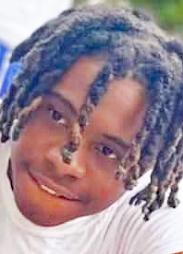
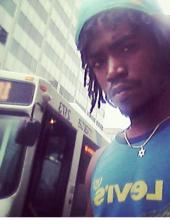
The investigation into the senseless killing quickly gained momentum. Law enforcement's first major lead came from surveillance footage at a Waffle House on Virginia Avenue, where Simms was seen dining with a young man just hours before his death. The images were released to the public, and soon after, the individual in the video was identified as 17-year-old Eric Banks Jr. In a poignant turn of events, it was Banks' own mother who, upon recognizing her son in the news, urged him to surrender to the authorities. Five days after the discovery of Simms' body, Banks was taken into custody.
Following his arrest, the grim details of the crime came to light. Banks confessed to the shooting, revealing a robbery that had turned fatal. Not only had Simms been killed, but his car, wallet, and a television from his home had also been stolen. Investigators were able to further solidify their case against Banks by tracking fraudulent charges made with Simms' bank card after his death. The stolen vehicle was later recovered in Banks' neighborhood.
In November 2017, Eric Banks Jr., then 18, pleaded guilty to a litany of charges, including malice murder, felony murder, armed robbery, and aggravated assault. He initially claimed the shooting was in self-defense, an allegation that prosecutors believed was a fabrication to conceal the true nature of the crime. As part of a plea agreement, Banks was sentenced to 35 years in prison without the possibility of parole, bringing a legal conclusion to a case that had tragically cut short the life of a beloved community activist.