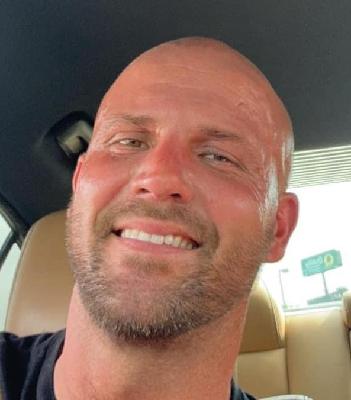
In the early hours of a Saturday morning in Macon, Georgia, the life of a beloved local pastor, 33-year-old Brandon Parker, came to a tragic and violent end. On April 23, 2016, deputies from the Bibb County Sheriff's Office responded to a call on Grosso Avenue shortly after 1:30 a.m. and found Parker lying on the ground outside a residence, suffering from a fatal gunshot wound to the neck. Kneeling beside him was a woman, Tracia Hubbard, who was his 48-year-old girlfriend. Though she appeared to be administering aid, Parker was unresponsive and was pronounced dead at the scene.
The investigation that followed painted a picture of a tumultuous relationship that had spiraled out of control. The conflict reportedly began earlier that evening at a restaurant in downtown Macon. The argument between Parker and Hubbard escalated and continued at the home on Grosso Avenue, which belonged to Hubbard's mother. According to an arrest warrant, it was there that Hubbard retrieved a. 380 caliber revolver from her car and fired the shot that killed Parker. Hubbard's mother told investigators that she had asked Parker to leave her property multiple times as he argued with her daughter. She reported hearing Parker yell, 'Shoot me! Shoot me!' shortly before hearing a struggle and a single gunshot. Hubbard was subsequently arrested and charged with the murder of her boyfriend, a man who was not only a reverend at Ebenezer Baptist Church but also the grandson of the legendary soul singer Otis Redding.
The case, however, took a significant turn months later. By December 2016, the murder charge against Tracia Hubbard was dropped. The Bibb County District Attorney announced that prosecutors could not disprove Hubbard's claim that she was a victim of abuse and had acted in self-defense. This decision was reached after further investigation revealed a history of domestic violence in the couple's relationship. Witnesses came forward to support Hubbard's account of abuse, including on the night of the fatal shooting. The district attorney noted that the more they looked into the case, the more Hubbard appeared to be the victim. When law enforcement initially arrived, she was described as being hysterically sobbing while trying to perform CPR. Ultimately, prosecutors concluded they could not prove beyond a reasonable doubt that she did not act to save her own life.