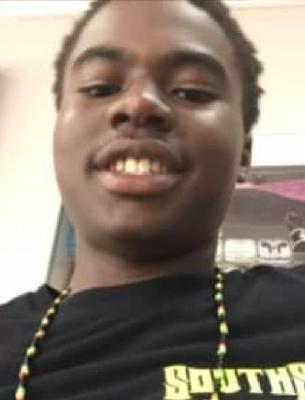
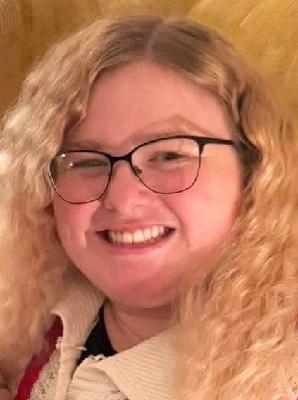
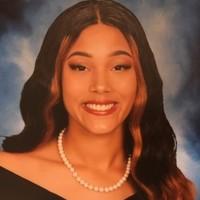
Sophia Mariel Bullard, a 20-year-old White woman, was among the young people gathered at a house on Moccasin Gap Road near McDonough, Georgia, in the early hours of October 27, 2016, when what had been described as a late-night social gathering and bonfire turned into a massacre. Public reports identified Bullard, of Thomaston, as one of three people found dead inside the home that morning, with a fourth victim still clinging to life after being airlifted to Grady Memorial Hospital. In the first rush of the investigation, police said everyone involved appeared to know one another at least through friends or acquaintances, which made the violence feel even more intimate and unnerving. Bullard's death was not presented as an isolated attack, but as part of a brutal burst of gunfire that tore through a house full of familiar faces and left families across several Georgia communities shattered.
As investigators worked through the scene, authorities quickly focused on Jacob Kosky, 22, and Matthew Baker Jr., 19, both of McDonough. Both were arrested and initially charged in the killings, while three others, Jacob Williams, Kayla Head, and Brooke Knight, were also arrested on obstruction charges tied to the investigation. Early reports said Kosky turned himself in after calling 911, while Baker was arrested during a felony traffic stop at his home. At that stage, police said they believed they had everyone involved in custody, though they were still trying to understand the motive. The case carried a chaotic and senseless quality from the beginning: a gathering of young people, a quarrel or falling out, then gunfire inside a rural home. One later report said investigators believed the shooter intended to rob the victims, while another account from prosecutors said there was ultimately no clear motive at all.
The horror deepened days later when the fourth victim, Destiny Olinger, died at the hospital, turning the case from a triple homicide into a quadruple murder. Prosecutors later alleged that Kosky and Baker had been at the party, left, returned with guns, and opened fire. In 2017, the Henry County District Attorney announced an intention to seek the death penalty against both men. The prosecution's version of events painted the killings as deliberate and devastating, with Bullard, Matthew Hicks, and Keith Gibson dying inside the house and Olinger dying afterward from her injuries. In 2019, the case took a major turn when Kosky pleaded guilty but mentally ill to the murders. He was sentenced to life without parole, plus an additional five years. In court, family members of the victims confronted him with their grief and fury, and Bullard's father spoke directly from the wreckage left behind by his daughter's killing.
The case did not end there. Although Baker had long remained charged alongside Kosky, the second prosecution unraveled years later. In May 2024, after nearly eight years of the case hanging over him, Baker was found not guilty on all charges in the quadruple murder case. By that point, public reporting had also noted that Kosky had confessed and said Baker was innocent. That left Kosky as the only person convicted in the killings that took Bullard's life. So, in the end, the public record shows one admitted killer sentenced to spend the rest of his life in prison, one co-defendant acquitted, and three other people arrested early on for obstruction rather than murder. For Sophia Mariel Bullard, the story closed not with mystery about who had been brought in, but with the enduring weight of a case remembered for how suddenly a bonfire gathering became a scene of execution-style loss.