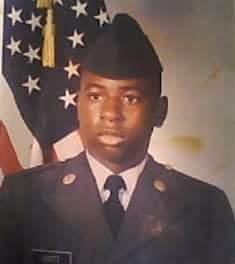
On a calm evening in Augusta, Georgia, on April 28, 2018, Jamirus Alexandrus Wright, a 30-year-old African American male, was enjoying beers and conversation about sports with his friend, Brandon Martin. They were spending time on the patio of Wright's mother's apartment, unaware that the peaceful night was about to take a tragic turn. Suddenly, the sound of gunshots broke the quiet, and Wright was struck by bullets fired from an assault rifle from a distance of 118 feet.
Initially, the calm manner in which Wright was struck led his friend to believe the sounds were merely celebratory gunfire. This illusion was shattered when Wright fell to the ground, his life tragically cut short.
The investigation that followed revealed a grim backstory to the seemingly random act of violence. The shooting was not a random act but a targeted attack with roots in a previous conflict. The perpetrator was identified as 25-year-old Jonathan Evans. The motive for this fatal shooting stemmed from an earlier fistfight between Evans and Wright's friend, Brandon Martin, in which Martin had been victorious. Fueled by what was described as wounded pride, Evans decided to seek revenge. This led him to stalk both Martin and Wright, culminating in the deadly shooting that claimed Wright's life.
Jonathan Evans was apprehended by law enforcement and faced a series of serious charges for his actions. He was charged with murder, aggravated assault, and possession of a firearm during the commission of a crime. The subsequent legal proceedings were extensive. Evans was ultimately convicted on all charges and received a severe sentence of life in prison without the possibility of parole, with an additional 30 years. During his trial, Evans did express remorse for his actions, but the premeditated and violent nature of the crime left little room for leniency in the eyes of the court. His defense attorney had argued for a life sentence with the possibility of parole after 30 years, pointing to Evans' lack of a prior criminal history, but this was not granted. In the years that followed his conviction, Evans continued to challenge his sentence through the legal system, but his appeals were ultimately unsuccessful, with the Supreme Court upholding the original convictions and sentence.