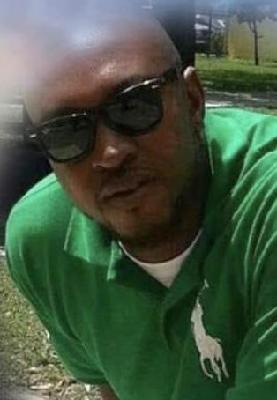
Terrance Weaver, a 44-year-old Black male, was killed in Albany, Georgia, on June 17, 2020, in a shooting on West Gordon Avenue that unfolded in the early morning hours, shortly before 2:30 a.m. Police said Weaver died at the scene before medical personnel arrived, and another person, Arielle Bertram, was wounded. The killing quickly drew wider attention beyond Albany because Weaver was identified in multiple reports as the father of University of Kentucky linebacker J.J. Weaver, adding a second layer of heartbreak to a case that was already shaking family, friends, and the local community.
Online obituary records and memorial notices describe Weaver as Terrance Laimar Weaver, born November 2, 1975, in Fort Lauderdale, Florida. Those accounts portray a man whose life stretched across several places and roles before ending violently in southwest Georgia. He was remembered as a husband, father, entrepreneur, and someone who had worked in counseling, carpentry, and sales. In memorial accounts, he is also described as active with young people and community sports, which deepened the sense of loss after word spread that he had been gunned down outside his Albany residence.
What emerged in the immediate aftermath was that investigators did not treat the case as an isolated mystery with no leads. Reports published soon after the shooting said Albany police arrested three people in connection with Weaver’s death and the wounding of Bertram, while a fourth suspect was still being sought at that time. The public reporting available from the sources reviewed makes clear that authorities believed multiple people were involved, but the materials that were readily accessible did not consistently provide the suspects’ names, nor did they clearly lay out the final disposition of every charge in one place. In other words, the case did move swiftly into the arrest stage, but the open online trail is much stronger on the fact that arrests happened than on a complete, publicly visible accounting of each defendant’s later outcome.
The story that remains is one of a life interrupted in an instant. Before dawn, on a street in Albany, Terrance Weaver’s life ended in gunfire, and by morning his death had become both a homicide investigation and a family tragedy carried into public view. The online record shows the broad outline with painful clarity: Weaver was killed, another victim survived with injuries, police rounded up multiple suspects, and at least one additional person was initially being pursued. But even with those developments, the publicly accessible coverage that remains easy to locate leaves parts of the legal aftermath in shadow, preserving the sense of a case that was never just about one morning’s violence, but about the lasting rupture it left behind.