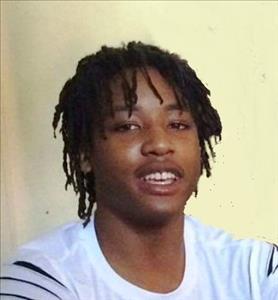
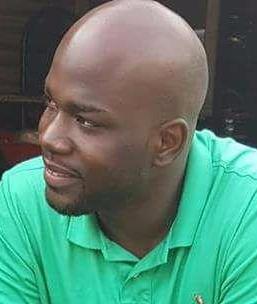
Benny Harris, a Black man, was shot in Dublin, Georgia, on April 20, 2021, in a burst of violence that unfolded in the middle of the afternoon on South Decatur Street. According to local reporting based on police information, officers were called to the scene at about 2:20 or 2:21 p.m. and found Harris unresponsive in a driveway. First responders tried to save him, and he was taken to Fairview Park Hospital, but he later died from his injuries. The accounts that surfaced in the days after his death painted a grim picture of a shooting near downtown that left investigators trying to piece together what had happened in broad daylight.
In the immediate aftermath, police treated the case as a homicide investigation and began working through the circumstances surrounding the shooting. One incident report referenced in local coverage said the shooting might have been gang-related, a detail that suggested investigators were looking at possible broader motives or affiliations rather than a purely random act. At the scene, officers detained a man for questioning, which showed they had at least one person of interest early on, but the same reporting made clear that he had not been charged in connection with Harris’s death at that time. That left the case suspended in a tense space between suspicion and proof, with authorities publicly acknowledging that they were still investigating and asking for information from anyone who might know more.
What stands out from the online record is how little public closure appears to have followed those first reports. The coverage that is readily available identifies Benny Harris as the victim and documents the basic arc of the case from the shooting scene to his death, but it does not show a publicly reported arrest, named suspect formally charged, trial, or conviction tied to his killing. In other words, the online sources located for this case describe an early detention and an investigative theory, but they do not appear to document that the case moved into a publicly reported prosecution. That leaves Harris’s death, at least in the accessible reporting, as a killing marked by urgency at the start and uncertainty afterward.