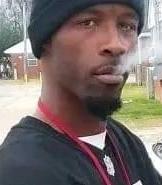
Najee Kabir Holden, a 23-year-old African American male from Waynesboro, Georgia, died on January 7, 2022, after a shooting that left his name tied to a single Burke County address and a long stretch of public uncertainty. Early reporting and memorial notices placed the killing at 1158 Herman Lodge Boulevard, where investigators said the young Waynesboro man was shot. In the first days after his death, the public picture was spare and painful: a family mourning, a community trying to understand what had happened, and police asking for help as Holden’s death became one more fresh wound carried by the city.
For a long time, the case seemed to sit in that unresolved space where only the victim’s name is clear and the rest of the story comes in fragments. The online record from that period shows investigators publicly seeking information in Holden’s murder, suggesting the case was active but not yet solved. The details that did emerge stayed close to the basics: the date, the place, the loss, and the fact that authorities were still trying to move the investigation forward. That gave the case the unfinished feeling common to many homicide investigations, where grief settles in long before answers do.
That changed later, when reporting from WRDW/WAGT said a suspect had been arrested in connection with the 2022 shooting death. According to that report, Daymond Lamont Langford was arrested on a Thursday, with the development reflected in jail bookings. That arrest appears to be the first clear public break in the case available through the online record I could verify, shifting Holden’s death from an open public appeal for information to a case with an identified suspect. The available material I found does not clearly lay out the full narrative of what investigators believe led to the shooting, but it does show that authorities eventually moved from asking questions to taking someone into custody.
Even with that arrest, the fuller legal aftermath is still difficult to trace in the sources I could verify online. I did not find a clearly documented public account of a trial, conviction, or final court resolution tied to Holden’s killing in the material available to me. So the story that remains online is one of a young man killed in Waynesboro, a case that lingered publicly without resolution, and then a later arrest that suggested investigators had not let the matter go. It leaves behind a narrative marked by delay, grief, and the slow movement of a homicide case toward accountability, even if the public record still does not fully show where the prosecution ultimately ended.