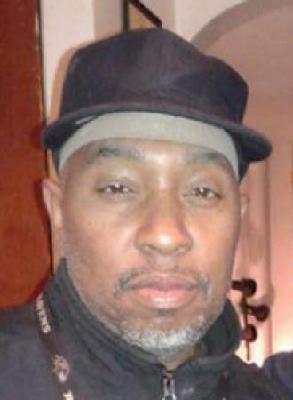
In the autumn of 2013, the life of a young Baltimore man was tragically cut short, leaving a family in mourning and a community grappling with the persistent specter of violence. Dion Michael Roberts, a 24-year-old African-American male known affectionately to his loved ones as 'Lil Dion,' 'Lil Dee,' or 'Dee,' was fatally shot on the evening of October 14, 2013. The incident occurred in the 3600 block of Bowers Avenue, where he was found suffering from gunshot wounds. Despite the efforts of first responders, Roberts succumbed to his injuries, becoming another victim of the gun violence that plagued the city.
Dion Roberts was remembered by his family as a charismatic and respectful young man with a bright future. He was a graduate of Northwestern High School and had attended Baltimore City Community College. His mother described him as an 'exceptional child,' recalling his early aptitude for reading and mathematics, for which he had received numerous awards. He was a father of two and was known for his love of family, his passion for music and rapping, and his keen sense of style. His death sent shockwaves through his 'Park Heights Family and Heritage,' leaving a void in the lives of his parents, children, siblings, and a wide circle of friends and relatives.
The investigation into Dion Roberts' murder was immediately launched by the Baltimore Police Department. However, the case was quickly met with a significant obstacle: a lack of cooperating witnesses. This unfortunate reality has hampered countless investigations in the city, and in Roberts' case, it has meant that justice has remained elusive for his family. In the years that have passed since his untimely death, no arrests have been made, and no suspects have been publicly identified. The circumstances surrounding the shooting remain unclear, and the case has grown cold.
The unsolved nature of his death serves as a painful reminder of the challenges faced by law enforcement in curbing violence and the deep-seated issues that contribute to such tragedies. For the family of Dion Roberts, the passage of time has not healed the wound of their loss. They are left with the memories of a beloved son, father, and friend, and the lingering question of who was responsible for his death and why. His story is a poignant illustration of the human cost of unsolved homicides, and the enduring quest for answers and accountability that continues long after the headlines have faded.