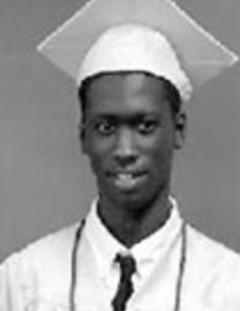
Cynthia L. Perry, aged 30, tragically lost her life on June 18, 1990, in Jacksonville, Florida. Her death was part of a horrific spree killing carried out by James Edward Pough. On that fateful day, Pough embarked on a violent rampage, targeting individuals at random. He shot and killed multiple people, including Cynthia Perry, at a General Motors Acceptance Corporation (GMAC) office.
This incident was one of the deadliest mass shootings in Florida's history at the time.
James Edward Pough's actions were driven by a combination of personal and financial stress, as well as a history of violent behavior. Prior to the GMAC shooting, Pough had already killed two people and wounded two teenagers in separate incidents. His spree culminated in the GMAC office attack, where he killed nine people and injured several others before taking his own life. The investigation into Pough's background revealed a troubled individual with a history of criminal activity and mental health issues.
In the aftermath of the shooting, law enforcement agencies conducted a thorough investigation to understand the motives behind Pough's actions and to ensure there were no additional threats. The case garnered significant media attention and led to discussions about workplace security and gun control measures. The families of the victims, including Cynthia Perry's, were left to cope with the devastating loss and the impact of such a senseless act of violence.
There were no arrests or suspects beyond James Edward Pough, as he was the sole perpetrator of the attack. The legal proceedings focused on understanding the sequence of events and the factors that contributed to Pough's deadly rampage. The incident remains a somber reminder of the potential for violence in seemingly ordinary settings and the importance of addressing underlying issues that can lead to such tragedies.