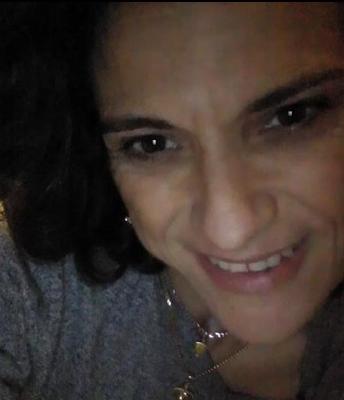
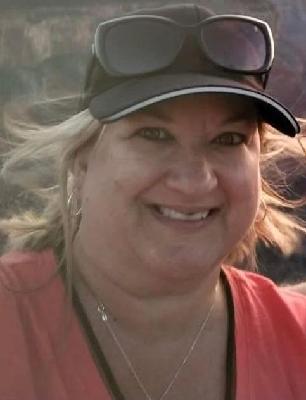
Carrie Stuart Leaphart, aged 36, tragically lost her life on July 15, 2015, in Lorida, Florida. The incident that led to her death involved a confrontation with Virgil Lee West, who was later accused of her murder. On that fateful day, Leaphart was a passenger in a golf cart driven by Shawn Zeigler. The altercation began when West, driving his pickup truck, exchanged hostile gestures with Leaphart and Zeigler.
As tensions escalated, Zeigler turned the golf cart around and approached West's stalled truck. West, feeling threatened, exited his vehicle and fired multiple shots at Zeigler, who was pronounced dead at the scene. Leaphart was also struck by the gunfire but survived the initial shooting.
The case against Virgil Lee West has been complex and drawn out over several years. West claimed self-defense, stating that Zeigler and Leaphart had a reputation for violent behavior fueled by methamphetamine use. According to West, the couple had previously threatened him and other residents of Lorida, creating a climate of fear and hostility. West's defense argued that he believed Zeigler was reaching for a weapon, prompting him to shoot in self-defense. This claim was central to West's Stand Your Ground motion, which sought to justify his actions under Florida's self-defense laws.
The legal proceedings have seen numerous developments, including West's request for the assistance of a crime scene expert to bolster his defense. The expert, Glenn Bukata, has a storied career in law enforcement and has been involved in high-profile cases featured on various true-crime television shows. West hopes that Bukata's expertise in crime scene reenactment and ballistics can demonstrate that he acted defensively, believing his life was in imminent danger.
Throughout the litigation, the prosecution has maintained that West's actions were not justified and that he acted with intent to kill. The case has highlighted the complexities of self-defense claims and the challenges of proving such defenses in court. As the legal battle continues, the community of Lorida remains divided, with some residents supporting West's claims of self-defense and others calling for justice for the victims. The outcome of the case will likely hinge on the interpretation of the events leading up to the shooting and the credibility of the evidence presented by both sides.