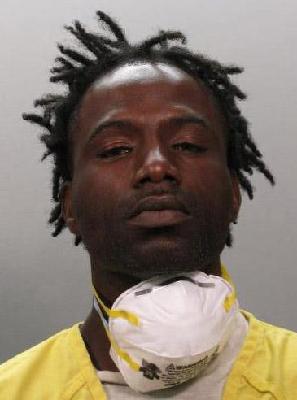
Anatoliy Alexander Glavnick, aged 50, tragically passed away on December 21, 2015, in Jacksonville, Florida. His death was the result of a violent incident that shocked the local community. On the evening of his death, Glavnick was found fatally shot in his Southside home. The Jacksonville Sheriff's Office responded to the scene following reports of gunfire from concerned neighbors.
Upon arrival, officers discovered Glavnick's lifeless body, prompting an immediate investigation into the circumstances surrounding his death.
The investigation revealed that Glavnick had been the victim of a targeted attack. Evidence collected from the scene suggested that the assailant had entered the home with the intent to kill. The nature of the crime indicated a premeditated act, leading investigators to classify the case as a homicide. Despite extensive efforts by law enforcement, the initial investigation did not yield any immediate suspects or arrests. The lack of eyewitnesses and the absence of clear motives complicated the case, leaving many questions unanswered.
As the investigation progressed, detectives explored various leads and potential motives. They examined Glavnick's personal and professional life, looking for any connections that might explain the violent act. Friends and family members were interviewed, and Glavnick's financial records were scrutinized for any signs of foul play. Despite these efforts, the case remained unsolved for several months, causing frustration and fear within the community.
In the months following Glavnick's death, the Jacksonville Sheriff's Office continued to pursue new leads and re-examine existing evidence. The case eventually gained renewed attention when a suspect was identified through forensic evidence. This breakthrough led to the arrest of an individual with a known criminal history, who was subsequently charged with Glavnick's murder. The suspect's trial brought some closure to the case, although the motive behind the killing remained a topic of speculation.
Throughout the legal proceedings, the prosecution presented a compelling case based on the forensic evidence and the suspect's prior criminal activities. The defense, however, argued that the evidence was circumstantial and insufficient to prove guilt beyond a reasonable doubt. Despite these arguments, the jury ultimately found the suspect guilty of murder, resulting in a lengthy prison sentence.
The tragic death of Anatoliy Alexander Glavnick serves as a somber reminder of the impact of violent crime on individuals and communities. His case highlights the challenges faced by law enforcement in solving complex homicide cases and the importance of forensic evidence in bringing perpetrators to justice. While the legal resolution provided some measure of justice for Glavnick's family, the loss of a loved one remains an enduring source of pain and sorrow.