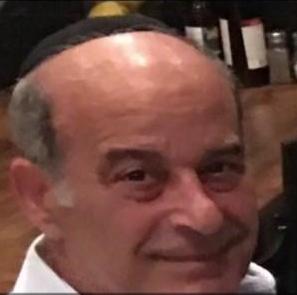
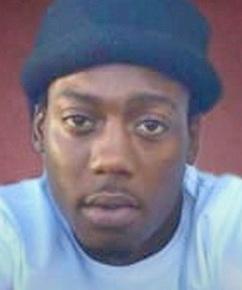
Asher Azulay, aged 67, tragically lost his life on May 12, 2018, in Fort Lauderdale, FL. The incident occurred in his Weston home, where he was fatally shot by his son, Dr. Rafael Azulay. According to reports, Rafael Azulay, who was an internal medicine doctor, had a history of violent behavior and domestic issues. On the day of the incident, Rafael allegedly asked his parents to bring the charger for his ankle monitor to his home.
Upon their arrival, he shot his father in the neck, leading to Asher's immediate death. Rafael then attempted to take his own life by shooting himself in the abdomen but survived and was taken to Memorial Regional Hospital in critical condition.
The case drew significant attention due to the nature of the crime and the subsequent legal proceedings. Rafael Azulay was initially charged with second-degree murder. However, he later accepted a plea deal, pleading no contest to a reduced charge of manslaughter with a firearm. This plea deal resulted in a sentence of two years of house arrest followed by ten years of probation. The only witness to the incident was Rafael's mother, who later stated that the shooting was an accident. Despite this, many, including Rafael's ex-fiancée, believed that justice was not fully served, describing the outcome as a miscarriage of justice.
Rafael Azulay's legal troubles did not end with the death of his father. He also faced charges of domestic battery by strangulation involving his then-girlfriend. He pleaded no contest to these charges as well. Throughout the legal process, Rafael was deemed not mentally competent to stand trial at one point but was later found competent before accepting the plea deal. His history of domestic violence and the violent nature of the crime left many in the community heartbroken and in disbelief.
The case of Asher Azulay's death highlights the complexities and challenges within the legal system, particularly in dealing with cases involving mental health issues and domestic violence. Rafael Azulay's plea deal and the subsequent light sentence of house arrest and probation sparked debates about the adequacy of the legal response to such serious crimes. The community's reaction was one of shock and sorrow, as they mourned the loss of a well-liked individual and grappled with the tragic circumstances surrounding his death.