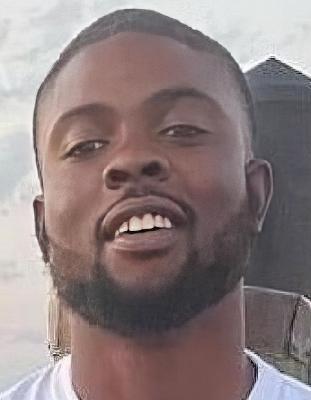
In the brisk autumn of 2015, the city of Baltimore was grappling with a surge in violence that would leave an indelible mark on its communities. On the evening of Thursday, November 19th, this wave of violence tragically claimed the life of 44-year-old Dwayne Wheeler, an African-American man. The fatal encounter occurred in the Southwest District, specifically in the 2600 block of West Fairmount Avenue, a neighborhood that had witnessed its share of similar unfortunate events.
Responding
to a call, police officers arrived at the scene to find Mr. Wheeler suffering from multiple gunshot wounds. The initial investigation painted a grim picture of a sudden and violent death, adding another somber statistic to the city's rising homicide count for the year. The motive for the shooting and the circumstances leading up to it were not immediately clear, leaving a community in shock and a family to mourn an unexpected and devastating loss.
The investigation into Dwayne Wheeler's murder was met with challenges that are all too common in such cases. Detectives from the Baltimore Police Department worked to piece together the events of that fateful night, appealing to the public for any information that could lead to the identification and apprehension of the person or persons responsible. Despite their efforts, securing cooperation from potential witnesses proved to be a significant hurdle, a factor that often complicates the path to justice for victims of violent crime in the city.
As time moved on, the case of Dwayne Wheeler's death remained one of many unsolved homicides that continue to haunt the city of Baltimore. The persistent issue of gun violence and the difficulties in bringing perpetrators to justice cast a long shadow over the investigation. While authorities have continued their broader efforts to curb the violence plaguing certain neighborhoods, the specific details of who was responsible for Dwayne Wheeler's death and any subsequent arrests or legal proceedings have not been made publicly available through online sources. His case, therefore, stands as a poignant and unresolved chapter in the city's ongoing struggle with violent crime.