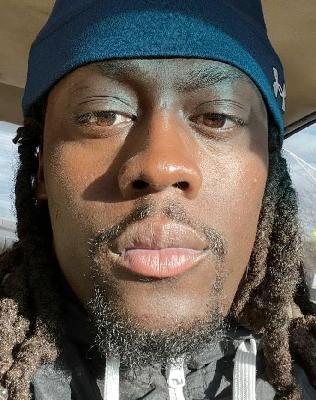
In the spring of 2013, a tragic story unfolded in Baltimore, Maryland, culminating in the death of 22-year-old Moses Malone. This young man's life was cut short not by accident or illness, but by a calculated act of violence intended to silence his voice in the pursuit of justice.
Weeks before his death, Malone had been the victim of a robbery and shooting.
Following this traumatic event, he cooperated with the Baltimore Police, identifying Norman Handy, a known member of the Black Guerilla Family gang, as the person who had attacked him. This courageous act of standing up to a dangerous individual set in motion a devastating chain of events. The motive behind what was to happen next was clear and chilling: to prevent Moses Malone from testifying against Handy in court.
The plot to eliminate the witness involved Handy's half-brother, Wesley Jamal Brown, who was also a member of the BGF's Greenmount Regime. On May 2, 2013, in the 600 block of Cokesbury Avenue, Brown carried out the fatal act. He shot Malone with a. 22 caliber handgun, ensuring his silence would be permanent. This was not a random act of violence but a deliberate execution, part of the BGF's broader criminal enterprise that included drug distribution, robbery, and witness tampering.
The investigation into Malone's murder ultimately unraveled the conspiracy. Wesley Jamal Brown was arrested and charged with the killing. In a significant step towards justice, Brown admitted to the shooting. In 2018, for his role in the murder and other related criminal activities, he was sentenced to 31 and a half years in federal prison. The larger federal investigation into the Black Guerilla Family's activities resulted in the convictions or guilty pleas of eight other gang members, highlighting the extensive and violent nature of their operations.