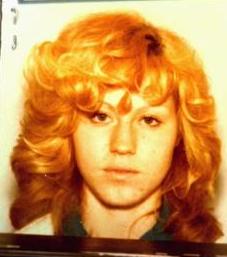
On August 31, 1984, Ebora Alexander, aged 58, was tragically killed in her Los Angeles home. The incident was a part of a mass murder that also claimed the lives of her daughter, Dietra Alexander, aged 25, and her two grandsons, Damon Bonner, aged 6, and Damani Garner-Alexander, aged 12. The family members were relatives of former NFL player Kermit Alexander. The murders were carried out by Tiequon Cox, an 18-year-old member of the Rollin' 60 Crips gang, and his accomplices.
The perpetrators mistakenly targeted the Alexander household, believing it to be the residence of rival gang members.
The events of that fateful night unfolded with two male suspects forcibly entering the Alexander home and opening fire. Ebora Alexander was shot while drinking coffee in the kitchen, and the other victims were killed in their beds. The attackers fled the scene in a brown or maroon van. The intended victims actually lived two doors down from the Alexander residence, highlighting the tragic error that led to the deaths of Ebora and her family members.
Following the murders, a thorough investigation led to the arrest of Tiequon Cox and his accomplices. Cox was identified as one of the gunmen, while Horace Edwin Burns, aged 20, acted as a lookout. Two women, Lisa Brown and Ida Moore, were also involved, driving the getaway vehicle. Another man, Darren Charles Williams, was later identified as the second gunman. Cox and Williams were both sentenced to death for their roles in the murders, while Burns received a life sentence without the possibility of parole.
The case garnered significant media attention and was marked by a series of legal proceedings. Cox's death sentence was upheld by the Ninth U.S. Circuit Court of Appeals, despite arguments that his trial lawyers had failed to competently represent him. The court found overwhelming evidence supporting the jury's verdict, including eyewitness testimonies and physical evidence linking Cox to the crime scene. The case remains a poignant reminder of the devastating impact of gang violence and the tragic consequences of mistaken identity.