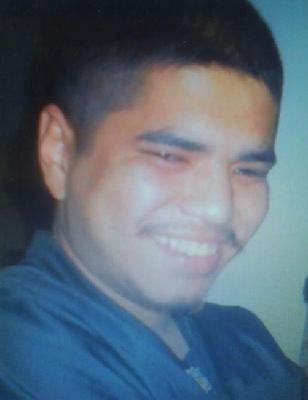
Robert Alexander Andrade, a 41-year-old Latino male, tragically lost his life on August 25, 2000, in Boyle Heights, Los Angeles. According to the Los Angeles County coroner's records, Andrade was shot and succumbed to his injuries on that fateful Friday. The incident occurred in a neighborhood known for its vibrant community but also its struggles with crime and violence.
Andrade's death was a significant blow to his family and friends, who remembered him as a beloved member of their community.
The investigation into Andrade's murder revealed that he was shot multiple times, a clear indication of a targeted attack. Despite the efforts of law enforcement, the case faced numerous challenges. Witnesses were reluctant to come forward, possibly due to fear of retaliation, which is a common issue in areas plagued by gang activity. The lack of cooperation from the community hindered the progress of the investigation, leaving many questions unanswered about the motive and the identity of the perpetrators.
Over the years, there have been several developments in the case, but none have led to a definitive resolution. Various suspects were questioned, and some arrests were made, but the evidence was often insufficient to secure convictions. The case remains open, with detectives periodically revisiting the evidence in hopes of finding new leads. Andrade's family has continued to seek justice, holding vigils and working with advocacy groups to keep his memory alive and to pressure authorities to solve the case.
In the legal realm, there have been no significant litigations directly related to Andrade's death. However, the broader issue of gang violence and its impact on communities like Boyle Heights has been the subject of numerous studies and policy discussions. Andrade's murder is a stark reminder of the ongoing struggle against violent crime in urban areas and the need for comprehensive strategies to address the root causes of such violence. The case of Robert Alexander Andrade remains a poignant example of the challenges faced by law enforcement and the enduring pain of a family seeking closure.