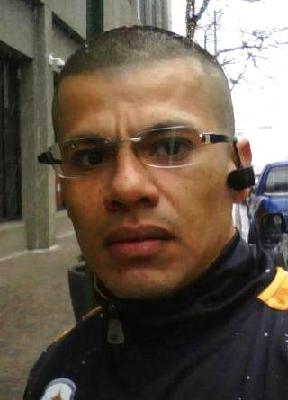
Geary Eugene Harbert II, a 26-year-old resident of Los Angeles, California, tragically lost his life on December 13, 2002. According to the Los Angeles County coroner's records, Harbert was fatally shot in the Boyle Heights neighborhood. The incident occurred on a Friday, marking a somber end to his young life. Harbert's death was classified as a homicide, and it was noted that he was a black male, adding to the grim statistics of gun violence in the area during that period.
The
investigation into Harbert's death revealed that he was shot while in Boyle Heights, a neighborhood known for its historical and cultural significance but also for its struggles with crime. Despite the efforts of law enforcement, details about the circumstances leading to the shooting, including potential motives or suspects, remain scarce. The case highlights the challenges faced by investigators in solving homicides, particularly in areas with high crime rates and limited witness cooperation.
There have been no significant updates regarding arrests or suspects in connection with Harbert's murder. The lack of progress in the case underscores the difficulties in achieving justice for victims of violent crimes. The community's response to Harbert's death was one of mourning and a call for increased efforts to address the root causes of violence in the neighborhood. His family and friends continue to seek closure and justice, hoping that one day the perpetrator will be brought to account.
In the years following Harbert's death, there have been no notable litigations or legal proceedings directly related to his case. The absence of legal action further emphasizes the unresolved nature of the investigation. Harbert's murder remains an open case, a stark reminder of the many unsolved homicides that persist in urban areas. The ongoing quest for answers reflects the broader societal need for effective measures to combat violence and support affected communities.