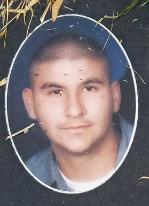
Pedro O. Diaz Jr., a 17-year-old from Los Angeles, California, tragically lost his life on February 8, 2004. The circumstances surrounding his death have been the subject of extensive investigation and public interest. According to available records, Pedro's death was classified as a homicide, which prompted a thorough investigation by local law enforcement agencies.
The investigation into Pedro's death revealed that he was fatally shot in a drive-by shooting, a common yet devastating
form of violence in certain areas of Los Angeles during that period. The incident occurred in a neighborhood known for gang activity, which initially led investigators to suspect gang-related motives behind the shooting. Witnesses reported hearing multiple gunshots and seeing a vehicle speeding away from the scene, but the lack of clear descriptions of the suspects or the vehicle made the investigation challenging.
Despite the efforts of the Los Angeles Police Department, the case faced numerous obstacles. The community's reluctance to come forward with information, possibly due to fear of retaliation, hindered the progress of the investigation. Over the years, several individuals were questioned, and a few arrests were made based on circumstantial evidence. However, these arrests did not lead to any convictions, as the evidence was insufficient to prove guilt beyond a reasonable doubt.
The case of Pedro O. Diaz Jr. remains unsolved, with no definitive suspects or arrests leading to a conviction. The lack of concrete evidence and reliable witness testimonies has left the case cold, though it is periodically reviewed by detectives in hopes of uncovering new leads. Pedro's family continues to seek justice and closure, holding onto the hope that one day, someone with crucial information will come forward to help solve the case.
In the years following Pedro's death, there have been calls for increased community engagement and cooperation with law enforcement to address the broader issue of gang violence in Los Angeles. Various community organizations have worked to create safer environments and provide support to families affected by such tragedies. Pedro's case serves as a poignant reminder of the ongoing struggle against violence and the need for collective efforts to bring about change and justice.