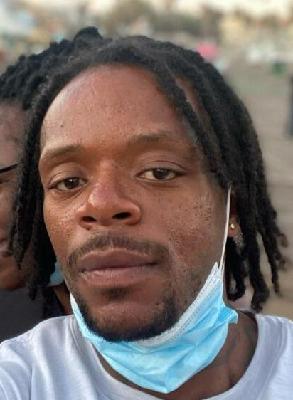
Anthony Lamar Jackson, a 56-year-old resident of Los Angeles, California, tragically lost his life on April 15, 2014. According to the Los Angeles County coroner's records, Jackson was fatally shot in Pacoima, a neighborhood in the San Fernando Valley region of Los Angeles. The incident occurred on a Tuesday, and his death was classified as a homicide.
The details surrounding the shooting were not immediately clear, but it was a significant event that added to the city's ongoing struggle with gun violence.
In the aftermath of Jackson's death, law enforcement agencies launched an investigation to identify and apprehend those responsible for the shooting. The investigation revealed that Jackson's death was not an isolated incident but part of a broader pattern of violence in the area. The Los Angeles Police Department (LAPD) worked diligently to gather evidence, interview witnesses, and piece together the events leading up to the shooting. Despite their efforts, the case faced numerous challenges, including a lack of cooperation from potential witnesses and the complexities of gang-related activities in the region.
As the investigation progressed, several suspects were identified, and arrests were made. The individuals apprehended were believed to be affiliated with local gangs, which had been involved in various criminal activities, including drug trafficking, robbery, and violent assaults. The arrests marked a significant step forward in the pursuit of justice for Jackson and his family. However, the legal proceedings that followed were lengthy and complicated, with multiple court hearings and legal maneuvers by defense attorneys.
The case against the suspects involved in Jackson's murder was built on a combination of forensic evidence, witness testimonies, and surveillance footage. Prosecutors aimed to demonstrate that the shooting was a premeditated act of violence, orchestrated by gang members as part of their ongoing turf wars. The trial garnered considerable media attention, highlighting the broader issues of gang violence and the challenges faced by law enforcement in curbing such activities.
Throughout the legal process, Jackson's family remained steadfast in their pursuit of justice. They attended court hearings, participated in community outreach programs, and worked with advocacy groups to raise awareness about the impact of gun violence on families and communities. Their efforts underscored the human toll of such tragedies and the need for comprehensive strategies to address the root causes of violence.
In conclusion, the death of Anthony Lamar Jackson was a tragic event that underscored the pervasive issue of gun violence in Los Angeles. The subsequent investigation and legal proceedings highlighted the complexities of addressing gang-related crimes and the importance of community involvement in seeking justice. While the arrests and trials provided some measure of closure for Jackson's family, the broader fight against violence and crime in the city continues.