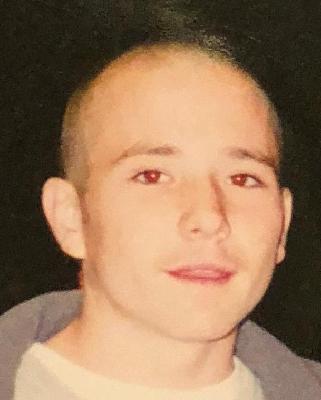
Rosemary Lopez Castillo, a 37-year-old Latino female, tragically lost her life on February 24, 2004, in Wilmington, Los Angeles. According to the Los Angeles County coroner's records, she was fatally shot. The incident occurred in a neighborhood known for its challenges with crime, adding another layer of complexity to the investigation. The details surrounding her death indicate that she was a victim of gun violence, a pervasive issue in many urban areas.
The investigation into
Rosemary's death was thorough, involving multiple law enforcement agencies. Despite the efforts, the case faced significant hurdles. Initial reports did not immediately identify any suspects, leading to a prolonged period of uncertainty and grief for her family and community. Over time, however, the investigation began to yield some leads. Witnesses from the neighborhood provided crucial information that helped the authorities piece together the events leading up to the shooting.
In the months following the incident, law enforcement officials made several arrests related to the case. These arrests were part of a broader crackdown on gang-related activities in the area, which were believed to be connected to Rosemary's murder. The suspects faced multiple charges, including murder, illegal possession of firearms, and gang affiliation. The legal proceedings were complex, involving numerous court appearances and extensive evidence gathering.
The case of Rosemary Lopez Castillo also highlighted systemic issues within the community, such as the prevalence of gang violence and the need for more robust community policing efforts. Advocacy groups used her story to push for policy changes aimed at reducing gun violence and improving public safety in Los Angeles. Her death became a catalyst for community action, with local organizations working tirelessly to prevent similar tragedies in the future.
Throughout the investigation and subsequent legal battles, Rosemary's family remained steadfast in their pursuit of justice. They participated in numerous public forums and collaborated with law enforcement to ensure that her case received the attention it deserved. Their efforts were instrumental in keeping the case in the public eye and maintaining pressure on the authorities to solve the crime.
In conclusion, the death of Rosemary Lopez Castillo was a profound loss that resonated deeply within her community. The investigation into her murder revealed the complexities of addressing gang violence and the challenges faced by law enforcement in solving such cases. While arrests were made and legal proceedings initiated, the journey towards justice for Rosemary and her family continues to be a poignant reminder of the ongoing struggle against urban violence.