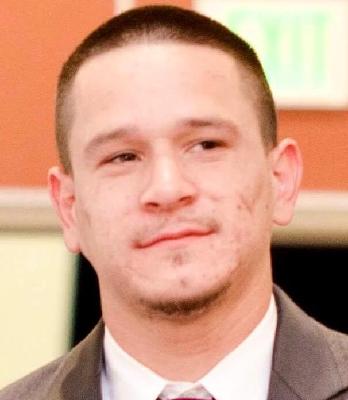
Raheim Brown Jr., a 20-year-old resident of Alameda, California, was fatally shot on January 22, 2011, by officers of the Oakland Unified School District (OUSD) police force. The incident occurred outside Skyline High School, where Brown was sitting in the passenger seat of a car. According to police reports, Brown allegedly attempted to stab an officer with a screwdriver, prompting Sgt. Barhin Bhatt to open fire. Bhatt shot Brown five times, including twice in the head, once in the chest, and once in each arm. The police narrative claimed that the use of lethal force was necessary to protect the officers involved.
However, this account was contested by Tamisha Stewart, the only civilian witness present at the scene. Stewart, who was in the car with Brown, stated that the screwdriver was being used to hotwire the vehicle and never left the ignition. She asserted that Brown did not pose a threat that warranted such a violent response. Stewart's testimony highlighted significant discrepancies between the police statements and her observations, leading to calls for an independent investigation into the incident. Brown's mother, Lori Davis, publicly condemned the excessive use of force, describing her son's death as an "assassination."
The aftermath of the shooting saw legal actions and settlements. Brown's parents, Lori Davis and Raheim Brown Sr., along with LaDonna Smith, the mother of Brown's then-unborn child, filed lawsuits against the OUSD. The district eventually agreed to a settlement of $995,000, with each party receiving $497,500. The settlement was reached despite the district's stance that it was not at fault. The case was further complicated by the testimony of Sgt. Jonathan Bellusa, who was present during the shooting. Bellusa contradicted Bhatt's account, stating that Bhatt fired two shots at Brown's chest before his gun jammed, and then fired five more shots after Brown was already incapacitated. Bellusa's deposition was crucial in the legal proceedings, and he later sued the district, alleging that he was pressured to conform his account to match Bhatt's.
The incident and its subsequent legal battles underscored the contentious nature of police use of force and the need for transparency and accountability in such cases. The community's response, including calls for independent investigations and support from local organizations, reflected broader concerns about police conduct and the treatment of individuals in similar situations. Raheim Brown Jr.'s death remains a poignant example of the complexities and challenges surrounding law enforcement and justice.