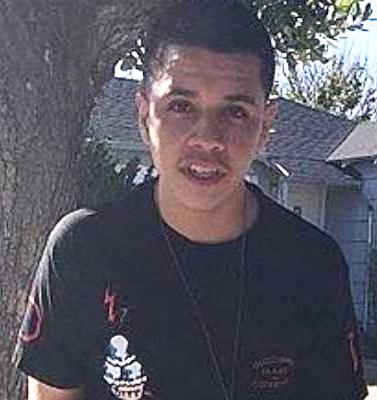
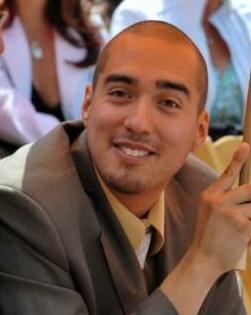
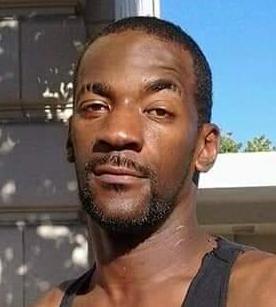
Julio Peraza, a 21-year-old resident of Santa Rosa, California, tragically lost his life on February 14, 2016, in a shooting incident at the Twin Peaks lookout in San Francisco. The incident occurred around 2 a.m. and also claimed the life of 19-year-old Rene Mora, while an 18-year-old man sustained life-threatening injuries. The group of victims had been enjoying the scenic views at the popular tourist spot when the shooting took place.
The suspect in the case, Richard Contreras, was
arrested shortly after the incident. Contreras, who was 26 years old at the time, faced multiple charges including murder, attempted murder, carjacking, and being a felon in possession of a firearm. According to reports, Contreras had arrived at the lookout with two women and encountered the group of victims. A confrontation ensued, during which Contreras allegedly opened fire, resulting in the deaths of Peraza and Mora.
During the trial, Contreras' defense argued that he had been assaulted and robbed five days prior to the shooting and was carrying a gun for protection. On the night of the incident, Contreras claimed that he felt threatened by the group and acted in self-defense. Despite these claims, the jury was unable to reach a unanimous verdict on the charges of murder and attempted murder, resulting in a hung jury. However, Contreras was found guilty of carjacking at gunpoint, possession of a firearm by a felon, and unlawfully taking a vehicle.
The families of the victims expressed their grief and confusion over the senseless violence. They had never heard of Contreras before the incident and were left with many unanswered questions about what led to the tragic events of that night. The case highlighted the ongoing issues of gun violence and public safety in the area, prompting increased security measures at the Twin Peaks lookout.
The legal proceedings surrounding the case have been complex and emotionally charged, with the defense and prosecution presenting conflicting narratives about the events leading up to the shooting. Despite the partial verdict, the case remains a poignant reminder of the devastating impact of gun violence on individuals and communities.