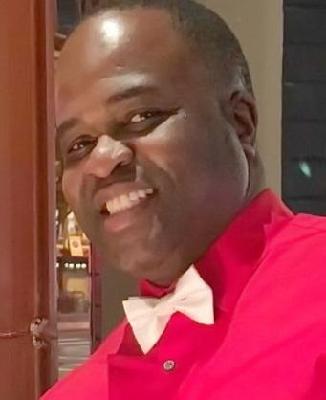
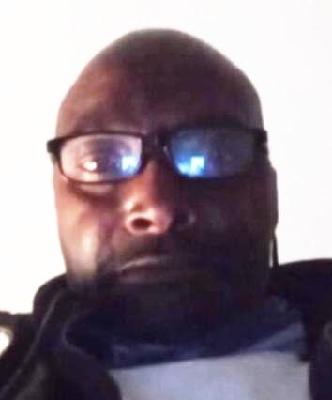
Ahmad Fawad Yusufi, a 31-year-old Afghan refugee, tragically lost his life on November 28, 2021, in San Francisco, California. Yusufi, who had relocated to the United States with his family in 2018 after serving as a translator for U.S. troops in Afghanistan, was working as a driver for Uber and Lyft at the time of his death. On the morning of the incident, Yusufi and a passenger were parked near the intersection of Potrero Avenue and Cesar Chavez Street when they were approached by Clifford
Stokes, a 39-year-old man from Oakland. Stokes demanded money from Yusufi and his passenger at gunpoint. As Yusufi attempted to comply, Stokes shot him in the heart, resulting in his immediate death.
The case quickly drew significant attention due to the senseless nature of the crime and Yusufi's background as a refugee who had assisted U.S. military efforts. Following the shooting, Stokes fled the scene but was apprehended by police in Oakland on December 16, 2021. He was charged with first-degree murder, robbery, attempted robbery, shooting into an occupied vehicle, and being a felon in possession of a firearm. The prosecution highlighted the unprovoked and callous nature of the crime, emphasizing the need for justice for Yusufi's family.
In February 2023, a jury in San Francisco convicted Stokes of first-degree murder and the associated charges. The conviction was seen as a significant step towards justice for Yusufi's family, who had been deeply affected by the loss. Yusufi's brother, Mohammad Dawood, expressed the family's grief and disbelief that Yusufi, who had survived the dangers of war-torn Afghanistan, was killed in the United States over a robbery. The case underscored the ongoing challenges faced by refugees and immigrants in their pursuit of safety and stability in a new country.
Stokes faces a potential sentence of 50 years to life in prison for his crimes. The sentencing date has not yet been announced, but the conviction has provided some measure of closure for Yusufi's family and the broader community. The case remains a poignant reminder of the vulnerabilities faced by those who seek refuge and the importance of addressing violent crime with the full force of the law.