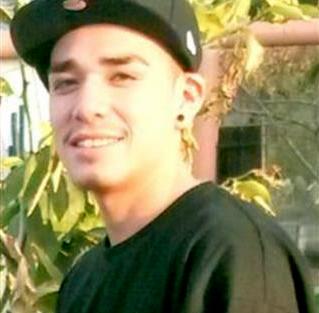
Imer Eliu Alvarado, a 34-year-old resident of Fresno, California, tragically lost his life on May 17, 2017. Alvarado was shot multiple times in what was later identified as a hate crime. The incident occurred in the early hours of the morning, around 3 a.m., near the intersection of Fourth Street and Belmont Avenue in Fresno. Alvarado, who was a member of the LGBT community, was reportedly dressed in drag at the time of the shooting.
This detail led to initial confusion regarding his gender identity, with some reports identifying him as a transgender woman. However, it was later clarified that Alvarado was a gay man who occasionally wore women's clothing.
The murder of Imer Eliu Alvarado sparked significant outrage and concern within the local LGBT community. Friends and advocates emphasized the need for accountability and justice, highlighting the broader issues of violence and discrimination faced by LGBT individuals. Despite the sound of multiple gunshots, no one called 911 immediately, which delayed the response from law enforcement. This lack of immediate action further fueled the community's frustration and grief.
Following a lengthy investigation, Derrick Jordan Garcia was identified as the suspect in Alvarado's murder. Garcia, who was 30 years old at the time, was charged with one count of murder with the personal and intentional discharge of a firearm that caused death. The investigation revealed that the incident was captured on surveillance footage, which showed a scuffle between Garcia and Alvarado just before the shooting. Garcia turned himself in after a warrant was issued for his arrest in July 2018. Initially, Garcia was found mentally incompetent to stand trial and was sent to a state psychiatric facility. However, he later pleaded no contest to the charges and was sentenced to life in prison in 2022.
The case of Imer Eliu Alvarado's murder underscores the persistent challenges and dangers faced by LGBT individuals, particularly those who are visibly gender non-conforming. The community's response, including memorials and advocacy efforts, highlighted the need for greater protection and support for vulnerable populations. The resolution of the case, with Garcia's life sentence, brought some measure of justice, but also served as a stark reminder of the ongoing struggle against hate and violence.