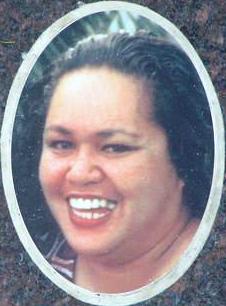
Devon Rideout, a 24-year-old Navy corpsman stationed at Camp Pendleton, was tragically killed on July 20, 2018, in Oceanside, California. Rideout was shot multiple times by her upstairs neighbor, Eduardo Arriola, as she was walking her dog near their apartment complex on Los Arbolitos Boulevard. Arriola, a former Marine who had been discharged for desertion and diagnosed with schizophrenia, ambushed Rideout outside her front door.
He claimed to bystanders and police that she was a trespasser, but evidence suggested a premeditated attack. Investigators found Rideout's name scrawled on Arriola's car radiator tank, along with other names and the phrase "R.I.P.".
Arriola was arrested and charged with first-degree murder and a special circumstance allegation of lying in wait, making him eligible for a life without parole sentence. During his trial, Arriola's defense argued that his severe mental illness prevented him from forming the intent to kill. However, the prosecution maintained that his actions were deliberate and planned. The jury found Arriola guilty, and he was sentenced to life in prison without the possibility of parole. His appeal, which argued that his schizophrenia should have rendered him incompetent to stand trial, was rejected by the appellate court.
In the aftermath of Rideout's death, her mother, Leslie Woods, filed lawsuits against the federal government and the California Department of Justice. The lawsuits claimed that the authorities failed to properly submit information about Arriola's mental incompetency and background, which would have prevented him from purchasing the firearm used in the murder. Woods settled the lawsuits for a total of $10.5 million, with $4.5 million from the federal government and $6 million from the state. The settlements highlighted the preventable nature of the tragedy and the systemic failures that allowed Arriola to obtain a gun despite his mental health history.