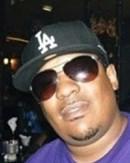
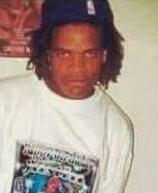
Checo Rene “Junie” Yancy, 40, a Black man from New Orleans, Louisiana, died on Tuesday, June 14, 2011. To the people who knew him, “Junie” wasn’t just a name on a notice; he was a familiar presence in the city’s tight circles of family, friends, and coworkers. In the days after his death, those closest to him gathered their memories around the life he’d built—one rooted in loved ones, in daily routines, and in the kind of work that puts you face-to-face with the neighborhood every day.
Public memorial notices describe him as the son of Helen Samson and Checo W. Yancy and the grandson of George and Thelma Frazier. He was the companion of Sharon Kennedy and a stepfather to Earnest Wilson, Jr., and he is remembered alongside brothers Derek and Kevin Yancy, as well as an extended family of in-laws, nieces, nephews, cousins, and longtime friends. The farewell rituals followed the traditions of home: visitation and services at Gertrude Geddes Willis Funeral Home on Jackson Avenue, with burial at Holt Cemetery, marking a final return to familiar ground.
Beyond the family circle, he was also tied to the working life of the city. Notices inviting mourners to pay respects specifically mentioned his connections to Oliver Creole Restaurant and Liuzza Restaurant & Bar, places where coworkers become part of a second family and regulars learn your name. That detail hints at an everyday presence—someone whose life was woven into the social fabric of New Orleans in the way service work so often is, through conversations, shared shifts, and the rhythm of a busy dining room.
As for what happened to him, publicly available crime and cold-case listings identify his death as a murder and associate the case with the New Orleans Police Department. Those same listings do not provide a public account of the circumstances—no detailed narrative of where he was found, how the attack unfolded, or what investigators believe led up to it—and they do not name any suspect. In the sources available online, there is no record of an arrest, charging decision, trial, or conviction connected to his killing, leaving the case publicly framed as unresolved.
There are also online records that appear to reference a person with the same name in New Orleans in connection with earlier criminal allegations, but those materials do not establish any link to the circumstances of his death or to the identity of any killer. What remains clearest in the public record is the contrast between the intimacy of the memorial notices—family names, workplaces, and the details of how he was laid to rest—and the sparseness of what’s publicly documented about the crime itself. His story, as preserved online, reads like a life remembered in full but a death left in shadow, with no publicly identified suspect and no publicly documented resolution.