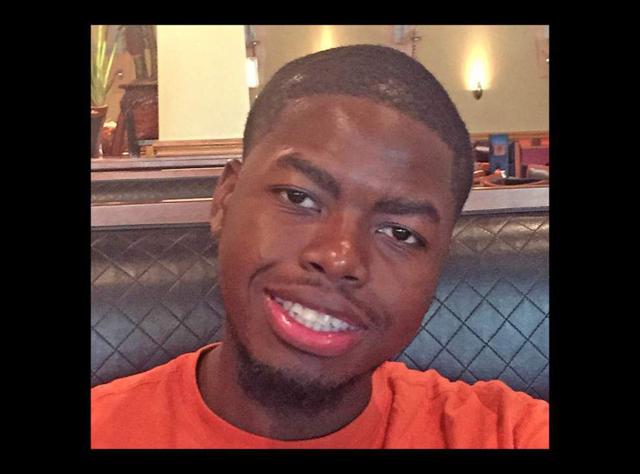
Brian Miller was a 40-year-old Black man from New Orleans, Louisiana, whose death has left behind more questions than answers in the public record. What can be pieced together from widely accessible online material is frustratingly thin: his name surfaces, but the kind of narrative details that typically accompany a homicide investigation—where it happened, what led up to it, and who might have been responsible—are largely absent from reputable, easily verifiable reporting available
online.
In the places where his case is mentioned, it appears more as a stark entry than a fully told story, the sort of brief trace that suggests a life ended violently without the follow-through of sustained public documentation. That silence can mean many things: a case that never drew significant media attention, records that remain locked behind paywalls or offline archives, or an investigation that did not produce the kind of developments that generate public updates.
As for arrests, named suspects, or courtroom outcomes, there is no clear, reliable, publicly accessible online documentation that identifies a perpetrator or confirms criminal charges tied to Brian Miller’s death. No defendant’s name, booking record tied to the homicide, indictment, trial coverage, or conviction information appears in the open sources that can be responsibly matched to him and to this specific case. In practical terms, that points to either an investigation that did not culminate in an arrest, or one in which any progress was not made publicly visible in sources that remain available online today.
What remains, then, is the outline of a tragedy without the usual public markers of resolution—no confirmed suspect brought into the light, no charges that can be publicly traced from arrest to judgment, and no definitive public accounting that explains how Brian Miller died. The result is a story defined as much by what cannot be found as by what can: a man from New Orleans gone, and a case that—at least in readily accessible online records—does not show the closure that families and communities search for when violence takes someone they love.