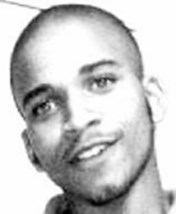
Eric Benjamin Hadley Jr., a 24-year-old African-American man from New Orleans, Louisiana, was spending the last day of 2012 the way friends said he often did—close to cars, close to the work he loved, and close to the people who knew him as a humble, steady presence. He was a car enthusiast who poured hours into body work, the kind of person who treated a vehicle like a craft project and a calling, not just transportation.
To the people around him, his pride and joy wasn’t flashy; it was personal, built with patience and care.
On December 31, 2012—roughly twelve hours before the city would ring in the New Year—Hadley was shot and killed while sitting inside the car he cherished, a 1986 Chevrolet Camaro. The killing happened in broad daylight outside an apartment complex on Cypress Acres Drive in Algiers, on the West Bank. The moment should have been ordinary: a man in his car, the kind of quiet pause that never seems dangerous until it suddenly becomes the last thing someone does. Instead, gunfire tore through the calm, leaving him fatally wounded in the driver’s seat and leaving his loved ones with a question that has never stopped echoing: why him?
In the years after the shooting, the case remained unresolved, and investigators continued to search for a reason the violence found him there. Friends said he didn’t carry the reputation of someone entangled in feuds, and that mismatch—between who he was and how he died—only deepened the sense of disbelief. The shock hardened into grief, and grief into a long, exhausting wait for answers. People close to him described the loss as a hole that never quite closes, especially for his mother, who was left trying to make sense of a sudden, senseless ending.
As detectives pushed for leads, they released surveillance images in an effort to spark recognition of someone who may have been near Hadley’s car at the time of the murder—a man seen walking in the area, wearing a bright pink shirt and hat, talking on a cellphone while looking toward where Hadley was parked. Investigators indicated they wanted to identify that individual, believing he might have information that could help explain what happened in those minutes before the shooting. The release of the footage wasn’t presented as a neat breakthrough, but as a plea to the public: someone out there saw something, recognized someone, heard something afterward, or knows the story that led to that gunfire.
Public reporting on the case has not identified any arrested suspect, filed charges, or a prosecution tied to Hadley’s killing. The outcome, at least in the open record, has remained a cold case shaped by a few stark facts—a young man, a beloved car, a bright day, and a fatal burst of violence—followed by years of unanswered questions and the lingering hope that a single tip, a single name, or a single memory might finally put the pieces together.