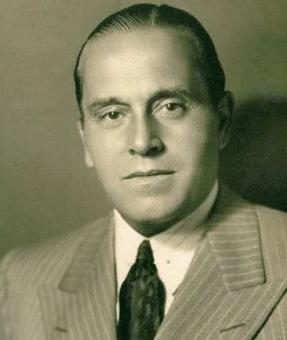
Umberto Valenti, a Sicilian-born man of 30, met a violent end on a summer afternoon in Manhattan. His death on August 11, 1922, was the culmination of a bitter and bloody gangland conflict. Valenti, a feared hitman for the D'Aquila crime family, found himself in a power struggle with the rising Giuseppe 'Joe' Masseria. The feud had reached a boiling point just two days prior when Valenti led a brazen assassination attempt on Masseria.
In a shootout on Second Avenue, Masseria miraculously escaped unharmed, an event that earned him the moniker 'the man who can dodge bullets' and solidified his reputation among the criminal underworld.
Seeking to end the conflict, a peace meeting was arranged. The sit-down was to take place at a cafe on the corner of Second Avenue and E. 12th Street. However, the truce was a ruse orchestrated by Masseria. Realizing he had been lured into a trap, Valenti bolted from the meeting and ran out into the street. As he fled, gunmen opened fire. The midday chaos sent pedestrians scrambling for cover as bullets flew. In the pandemonium, a street cleaner and an eight-year-old girl were struck by stray shots.
Valenti, gravely wounded in the chest, staggered through the street in a desperate attempt to escape. He managed to reach a passing taxi and collapsed onto its running board, where he died. The identity of the man who fired the fatal shots has long been a subject of underworld legend. While never definitively proven, it is widely believed that the trigger was pulled by a young, ambitious gangster in Masseria's crew named Charles 'Lucky' Luciano, possibly accompanied by another future mob boss, Vito Genovese.
In the immediate aftermath, Joe Masseria was arrested for Valenti's murder. He denied any involvement, and the charges were ultimately dropped. The brazen daylight killing effectively ended the war, cementing Masseria's power and paving the way for his ascent to 'Joe the Boss,' a dominant figure in New York's organized crime landscape. Valenti's death served as a stark example of the brutal finality of Mafia power struggles, where a meeting intended for peace could swiftly become a stage for a public execution.