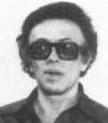
Morris L. Kessler, a 23-year-old man, moved through 1930s Brooklyn in the slipstream of Joseph “Joey” Amberg’s underworld, known as Amberg’s close associate—his chauffeur and bodyguard—at a time when Brownsville rackets were being fought over street by street. On September 30, 1935, that proximity to power turned fatal, and Kessler’s last hours became tied to a killing meant to send a message far beyond him.
That afternoon, shortly before 1 p.m., Kessler and Amberg stopped at the Blake-Christopher auto garage in Brownsville—an everyday place of oil stains and echoing concrete that offered no warning of what was about to happen. As the two men prepared to leave, three gunmen pushed into the garage and took control of the room. Witnesses later described how the assailants didn’t rush; they forced the pair into position and taunted them, making the moment stretch before the shots. Amberg was hit first. Kessler followed—killed with a shot to the forehead and additional shots into his back—dropping amid the garage’s grime as the attack ended as abruptly as it began.
In the immediate aftermath, the scene was both brazen and frustratingly unhelpful to police: there were eyewitnesses to the assault, but the killers themselves were not identified by name in the early investigation. The gunmen vanished back out into the street, escaping into the city’s everyday motion. Authorities did manage to locate the getaway car used in the attack, yet that lead did not translate into arrests or a clear chain to specific triggermen, leaving investigators with a crime that looked planned down to the minute but built to resist prosecution.
Theories swirled because the timing made it hard to see the murders as isolated. The Ambergs were entangled in a fierce struggle with rival forces associated with Louis “Lepke” Buchalter and Jacob “Gurrah” Shapiro, and the double killing in the garage fit the era’s pattern of contract violence attributed to Murder, Inc. At the same time, authorities were reported to have weighed whether the ambush was connected not only to the broader gang war but also to the recent killings of smaller racketeers—Abe Meer and Irving Amron—suggesting retaliation and settling of accounts layered on top of one another. Whatever the motive, Kessler’s death read as the cost of being the man at Amberg’s shoulder when enemies came calling.
In later years, Murder, Inc. became infamous through investigations and trials involving other killings, but the Brownsville garage execution of Amberg and Kessler did not resolve into a public record of charges, trial, or conviction for Kessler’s death. The case persisted instead as a vivid, daylight-sharp episode of organized crime history: a young driver-bodyguard cut down beside his boss, a crime scene full of witnesses, and yet no definitive arrest that could close the circle around the men who pulled the triggers.