On February 21, 1965, the life of Malcolm X, a 39-year-old African American man, was cut short by a hail of bullets in Manhattan's Audubon Ballroom. He was about to deliver a speech to his Organization of Afro-American Unity when a disturbance erupted in the crowd. As his bodyguards moved to address the commotion, a man with a sawed-off shotgun rushed the stage and fired, striking Malcolm X in the chest.
Two other men then charged forward, firing semi-automatic handguns, inflicting a total of 21 gunshot wounds.
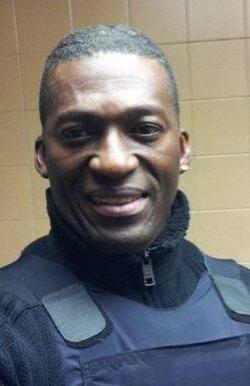
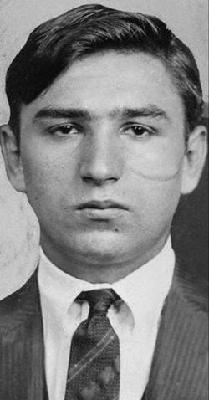
In the chaotic aftermath, one of the gunmen, Talmadge Hayer, who also went by the name Thomas Hagan, was shot in the leg by a bodyguard and apprehended by the crowd before police arrived. A week later, two other members of the Nation of Islam, Norman 3X Butler and Thomas 15X Johnson were arrested. All three men were convicted of the murder in March 1966 and sentenced to life in prison.
Despite the convictions, doubts about the case lingered for decades. From the outset, both Aziz and Islam proclaimed their innocence and provided alibis. During the trial, Hayer confessed to his role in the assassination but insisted that his co-defendants, Aziz and Islam, were not involved. In a 1977 affidavit, Hayer went further, naming four other individuals as his accomplices in the plot, which he claimed was revenge for Malcolm X's public criticism of the Nation of Islam's leader, Elijah Muhammad. However, his testimony did not lead to a reopening of the case at the time.
The narrative of who was responsible for the assassination began to officially change following a renewed investigation triggered in part by a 2020 Netflix documentary series, 'Who Killed Malcolm X?'. This 22-month review by the Manhattan District Attorney's office uncovered that prosecutors, the FBI, and the New York Police Department had withheld crucial evidence that likely would have led to the acquittal of Aziz and Islam. This included FBI documents that implicated other suspects and information that witnesses could not identify Islam. It was also revealed that the FBI had ordered informants not to disclose their status to law enforcement or prosecutors.
As a result of these findings, in November 2021, a judge officially exonerated Muhammad Abdul Aziz and the late Khalil Islam. Islam had been paroled in 1987 and died in 2009, never seeing his name officially cleared in his lifetime. Aziz was paroled in 1985 and has maintained his innocence throughout. Hagan, who confessed to being one of the shooters, was paroled in 2010. Following their exoneration, New York City and New York State agreed to pay a combined $36 million to settle lawsuits filed on behalf of Aziz and the estate of Islam for their wrongful convictions.