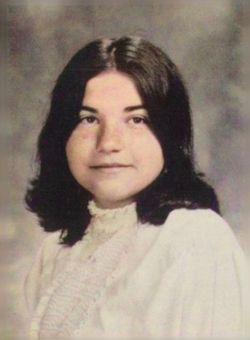
In the quiet town of Amityville, New York, the evening of December 15, 1971, passed like any other for most residents, a prelude to the approaching holiday season. However, for one family, it would become a date seared into their memory by tragedy. On this day, 16-year-old Bruce Milne, a local youth, met an untimely and violent end. The details surrounding the death of the male teenager would become a somber note in the town's history, a story marked by unanswered questions and the enduring
pain of a life cut short.
The circumstances of Bruce Milne's death pointed to a deliberate act of violence, prompting an investigation by law enforcement. The initial shock within the community gave way to a chilling realization that a killer was in their midst. Detectives began the arduous task of piecing together the last hours of the young man's life, speaking with friends, family, and anyone who might have seen or heard something, no matter how insignificant it seemed. The investigation delved into the life of a typical teenager, exploring school friendships, hangouts, and any potential conflicts that could have escalated to such a devastating outcome.
Despite the efforts of investigators, the case grew cold over time. Leads that once seemed promising led to dead ends, and the initial flurry of activity slowed to a painstaking process of re-examining evidence and re-interviewing witnesses. Years turned into decades, and the file on Bruce Milne's death remained open, a silent testament to a crime that had yet to see justice. No arrests were ever made in connection with the homicide, and no suspect or suspects were publicly identified, leaving the community and the Milne family without closure. The story of Bruce Milne serves as a haunting reminder of the lives that can be irrevocably altered in an instant and the enduring quest for answers in the face of unresolved violence.