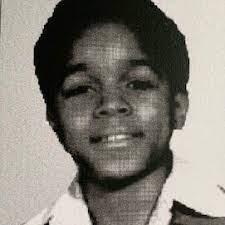
On Thanksgiving Day, November 25, 1976, a 15-year-old Black male named Randolph Evans was shot and killed in the Cypress Hills housing project in Brooklyn, New York. Evans, a ninth-grade student at Franklin K. Lane High School, was with a group of friends when he was confronted by New York City Police Department officer Robert Torsney. Torsney and his partner were responding to a report of a man with a gun, though the situation was reportedly resolved by the time they arrived. Following a brief exchange, Torsney, an eight-year veteran of the force, drew his service weapon and shot Evans in the head at point-blank range.
After the shooting, Torsney walked back to his patrol car, ejected the spent cartridge, and reloaded his weapon. When his partner, who had remained in the vehicle, asked what he had done, Torsney reportedly replied, 'I don't know, Matty. What did I do?'. Torsney was arrested at the scene by his fellow officers. The incident immediately sparked racial tensions in the city, as Torsney was white and Evans was Black. On the day of Randolph Evans's funeral, a grand jury indicted Torsney on a charge of second-degree murder.
The trial of Robert Torsney began in October 1977. His defense argued that he was not criminally responsible for his actions due to a rare neurological condition that caused an involuntary psychotic episode. In his own testimony, Torsney claimed Evans had reached for a 'silver object,' a claim no other witnesses corroborated. On November 30, 1977, an all-white jury found Torsney not guilty by reason of insanity. He was subsequently committed to the Creedmoor Psychiatric Center in Queens for evaluation.
Just over a year later, on December 20, 1978, a Brooklyn State Supreme Court judge ordered Torsney's release, ruling that he was no longer a danger to society. He was officially released on July 9, 1979, under several conditions, including that he could not possess a firearm, work in law enforcement, or contact the Evans family. Torsney's request for a disability pension from the police department was denied. The case and its outcome fueled public outrage and have been cited in discussions about police violence and racial injustice in the decades that followed. Robert Torsney died in 2009.