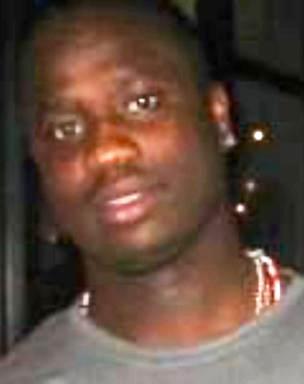
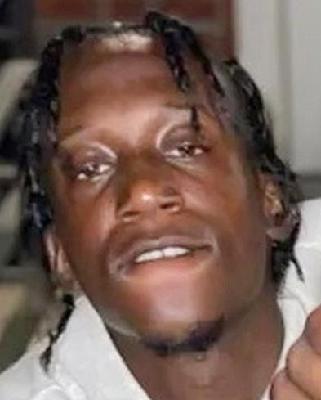
Gary Gardine, a 25-year-old man from Brooklyn, New York, vanished into the ordinary noise of the city and was found again on November 30, 1978, in a way that felt meant to terrify whoever heard about it. A car burned in Brooklyn, and when it was opened, Gardine’s body was discovered inside the trunk. He had been shot to death before the fire ever started, the flames used as a final act of erasure—or, just as chilling, as a kind of announcement.
In the accounts that surfaced later, the killing is tied to the kind of street commerce that ran on quick trust and quicker betrayal: a marijuana deal that went bad. Gardine was described as having tried to scam Harvey “Chris” Rosenberg, a young but feared figure associated with Roy DeMeo’s crew, a Gambino-connected group notorious for violence and for making people disappear. In that world, debt wasn’t only money, and disrespect wasn’t only personal—it could be treated as a problem that demanded a spectacle.
The story that trails behind Gardine’s death is blunt: the scam was answered with a gun. Afterward, his killer—or killers—didn’t simply leave him where he fell. They sealed him into the trunk and set the car on fire, turning a murder into a scene that would draw police, firefighters, and bystanders, and would linger in rumor long after the smoke cleared. Lists of victims connected to the DeMeo crew repeatedly point to Rosenberg as the likely shooter, while also suggesting others may have been involved.
As for suspects, Rosenberg is the name that rises first and most often in the surviving records and retellings. But the same underworld that is said to have claimed Gardine also consumed Rosenberg within months. On May 11, 1979, Rosenberg was killed in Brooklyn—shot repeatedly in a slaying attributed to DeMeo and other crew members—an execution driven by internal mob pressure after a disastrous narcotics conflict. That meant the person most often identified as responsible for Gardine’s death was dead before any courtroom reckoning could ever pin him down.
Years later, the DeMeo crew became the target of major prosecutions: a sweeping indictment in 1984, and later convictions that sent surviving core members—including Anthony Senter and Joseph Testa—to life sentences tied to racketeering and multiple murders. Still, in the public, widely available summaries of those cases, Gardine’s name appears most clearly as one of the many dead connected to that violent orbit, rather than as the centerpiece of a specific, well-documented arrest, trial, or conviction solely for his killing. What remains is the image the killers left behind in 1978: a burning car, a locked trunk, and the message inside.