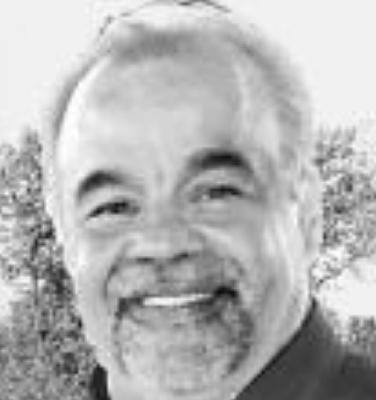
Harold Green, 32, was eating lunch in his car in the parking lot of a fast-food restaurant in Cheektowaga, New York, when gunfire cracked the afternoon calm on September 23, 1980. He was a Black man, and the attack was swift and intimate—two shots to the head as he sat where he thought he was safest, behind the glass and steel of his own vehicle. He was rushed to St.
Joseph’s Intercommunity Hospital and clung to life in critical condition, too badly wounded to speak for himself or help investigators in the first frantic days.
The shooting did not feel random for long. It landed in the middle of a terrifying burst of violence that rippled through the Buffalo area, a short, brutal stretch in which Black victims were targeted and struck down with chilling efficiency. Investigators quickly treated the cases as connected, not only because of the timing and geography, but because the murders carried the same cold signature: unprovoked attacks, a shooter who appeared and vanished, and a weapon that seemed to speak the same language at each scene. Witnesses who heard the shots and caught only a glimpse of the fleeing figure described a “white youth,” and police even explored hypnosis for a witness in hopes of sharpening a composite—anything to give the faceless gunman a name.
As the days passed, the hospital vigil ended the way so many such vigils do. A report later said Green died on the Sunday night after the shooting, succumbing to the injuries he’d suffered in the parking lot while the community remained on edge and investigators raced to stop the next strike. By then, forensic work was already tightening its grip on the mystery: ballistics testing tied the shootings together, pointing to the same gun as the thread running through the spree.
The suspect who ultimately emerged was Joseph Gerard Christopher, a white Army private and Buffalo native who, according to contemporaneous reporting, came under law-enforcement scrutiny after an attack at Fort Benning, Georgia, put him in military custody. Accounts of the investigation describe a turning point in which authorities searched his Buffalo home and said they found evidence linking him to multiple attacks; prosecutors then pursued murder charges tied to the Buffalo-area shootings, including the killing of Green. Public reporting from the period described a sealed indictment and extradition proceedings, framing the case as a racially motivated campaign of violence that had finally produced a central suspect.
In court, Christopher was tried for the cluster of upstate killings associated with the. 22-caliber shootings, and a newspaper report later summarized that a judge found him guilty of second-degree murder in three slayings after a non-jury trial. The legal fight did not end neatly there: New York’s highest court later ruled that the trial judge had erred by refusing to allow the defense to present psychiatric expert testimony at a critical competency hearing, ordering a reversal and remand that meant the case could not simply be left where it stood. In analyzing the evidence tied to Green’s killing, the court discussed how the murders’ close timing, similar method, and firearms evidence were used to connect the crimes and identify the shooter, reflecting how heavily the prosecution leaned on ballistics and linkage across scenes.