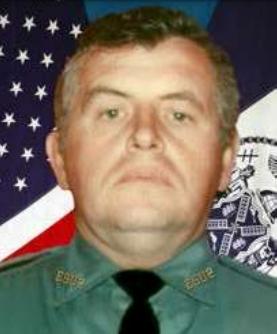
On a Thursday in the Pelham Bay section of the Bronx, a decorated NYPD Emergency Service Unit sergeant, Joseph McCormack, age 40, found himself in a tense standoff that would end in tragedy. It was September 29, 1983, and an emotionally disturbed man had barricaded himself inside a house on Mulford Avenue after being denied a visit with his young son.
The man was armed with a shotgun, and the situation had escalated, prompting the response of the elite Emergency Services Unit.
For nearly four hours, Officer McCormack and his fellow officers established a perimeter and attempted to peacefully negotiate with the man. Taking a tactical position in the rear yard of the residence, McCormack waited as negotiators tried to talk the suspect into surrendering. The afternoon wore on with palpable tension, the quiet neighborhood disrupted by the heavy police presence and the underlying threat of violence.
At approximately 2:45 p.m., the fragile stalemate shattered. The barricaded man emerged from the rear of the house and fired his shotgun. A single blast struck Officer McCormack in the armpit, an area his protective vest did not cover. The shot proved to be fatal. In the immediate aftermath of the shooting, other officers on the scene returned fire, killing the suspect.
Joseph McCormack, a 15-year veteran of the New York City Police Department, was survived by his wife and three children. In a testament to his service and sacrifice, he was posthumously awarded the Medal of Honor on June 13, 1984. Both of his sons would later follow in his footsteps, joining the NYPD and serving in the same elite Emergency Services Unit.