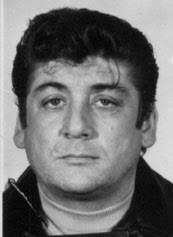
Wilfred “Willie Boy” Johnson stepped out of his home in Brooklyn before dawn on August 29, 1988, heading toward his car in the Flatlands neighborhood, when the street turned into an execution ground. Johnson, a 52-year-old man of Italian-American and Native American heritage, was caught in an ambush that unleashed nineteen shots. The rounds tore into his thighs and back and then found his head again and again, leaving him sprawled near the curb, killed so quickly there was no time for
escape or negotiation.
In the years leading up to that morning, Johnson’s name had carried a double weight. Publicly, he was known as a longtime associate in John Gotti’s orbit and described in reports as an ex-boxer, gambler, and loan shark. In the shadow world that surrounded him, federal authorities said he had been an FBI informant—“Wahoo”—for many years, a status that was widely reported after it was exposed in legal proceedings and law-enforcement accounts, even as Johnson and his attorneys disputed that he had ever cooperated. Either way, once the word was out, Johnson lived with the kind of attention that doesn’t fade: the watchfulness of friends who might not be friends, and enemies who didn’t need much convincing.
The killing bore the stamp of a deliberate mob hit rather than a random street crime. Accounts tied the gunmen to figures in the Bonanno crime family and described the attack as something done to win favor—particularly, as prosecutors later framed it, to please Gambino boss John Gotti. After the gunfire, “jack-like” spikes were described as being dropped onto the roadway to discourage any quick pursuit by vehicles, and the scene turned chaotic as Johnson’s wife ran outside and reached him only to find there was nothing left to save. Suspicion centered on Bonanno hitmen Thomas “Tommy Karate” Pitera and Vincent “Kojak” Giattino, names that would follow the case for years.
The first major break in the broader crackdown came less than two years later. In early June 1990, federal authorities arrested Pitera and swept up dozens connected to his crew, announcing racketeering and drug charges and linking the group to a string of killings. In that wave of indictments and complaints, Johnson was listed among the victims—killed in the August 1988 barrage outside his Brooklyn home—while prosecutors portrayed Pitera’s crew as violent, organized, and methodical, and specifically alleged Johnson’s death was carried out to gain standing and curry favor.
Giattino was arrested in July 1991, and the case ultimately moved into federal court under organized-crime charges. On November 5, 1992, a jury convicted Giattino of racketeering and multiple related offenses, including participation in two murders: Phyllis Burdi and Wilfred “Willie Boy” Johnson. He was sentenced in February 1993 to multiple life terms, and decades later, when he sought compassionate release, the court again summarized his role in the murders and left the life sentence in place. Pitera faced prosecution as well, and while he was convicted in 1992 of six narcotics-related murders and avoided a death sentence, he was acquitted of Johnson’s killing—leaving Giattino as the one convicted in court for Johnson’s murder even as Pitera’s name remained entangled in the story as a prime suspect and an alleged participant in the hit.